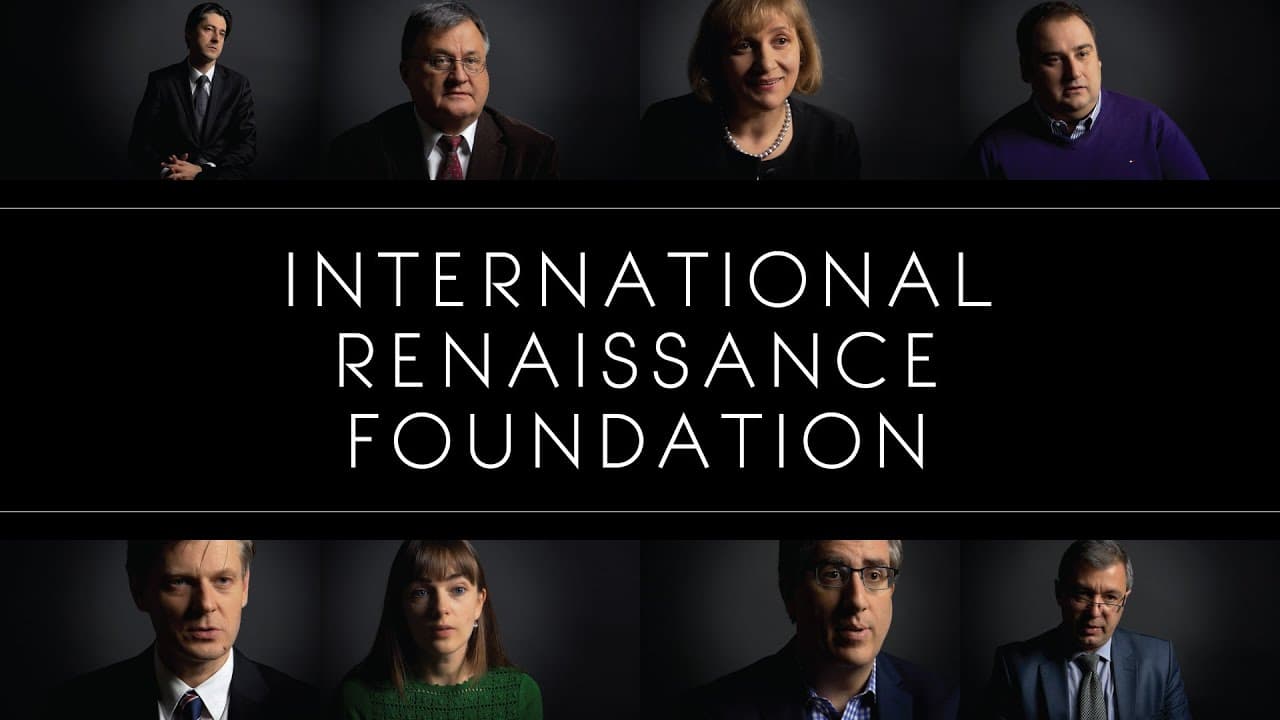
The International Renaissance Foundation, established in Kyiv in April 1990 by philanthropist George Soros, operates as Ukraine's largest indigenous grantmaking organization. It functions as part of the Open Society Foundations network, which extends across more than thirty countries, primarily in Central and Eastern Europe.
The foundation emerged from a specific historical moment. Ukrainian intellectuals, particularly Bohdan Hawrylyshyn, convinced Soros that Ukraine's context warranted a separate foundation rather than a Moscow-based operation. The name "Renaissance" was deliberately chosen to symbolize Ukraine's revival during the post-Soviet transition.
Since its inception, IRF has supported approximately 18,032 projects involving over 55,000 activists and organizations, distributing more than 350 million dollars. Its early work focused on cultural initiatives—translating and publishing roughly 800 works of world classics into Ukrainian while strengthening a nascent civil society infrastructure.
Over three decades, the foundation has influenced tangible policy outcomes. It contributed to establishing independent exit polls for election monitoring, supported anti-corruption mechanisms in university admissions, and helped create Ukraine's system of free legal aid. More recently, it backed the campaign establishing the National Public Broadcasting Company of Ukraine in 2015.
Since Russia's February 2022 invasion, IRF pivoted to emergency response, supporting civilian evacuations, documenting war crimes, and funding over 1,000 resilience projects. The foundation currently operates across five priority areas: democracy and governance, human rights and justice, European integration, public health, and social capital development.