Resource context (The Conversation; Jennifer Duyne Barenstein)
This article from The Conversation by Jennifer Duyne Barenstein examines Uruguay’s long-running housing cooperative system as a practical response to the global affordable-housing challenge, with lessons for audiences interested in sustainable and socially inclusive housing.
Scale of the problem and why cooperatives are discussed
The piece situates cooperatives within a wider housing crisis, stating that more than 1.8 billion people lack access to adequate and affordable housing. It argues that, despite the scale of need, relatively few countries have implemented policies that reliably deliver dignified housing for vulnerable groups, and it explores cooperative housing as one possible approach.
What “cooperative housing” means in practice
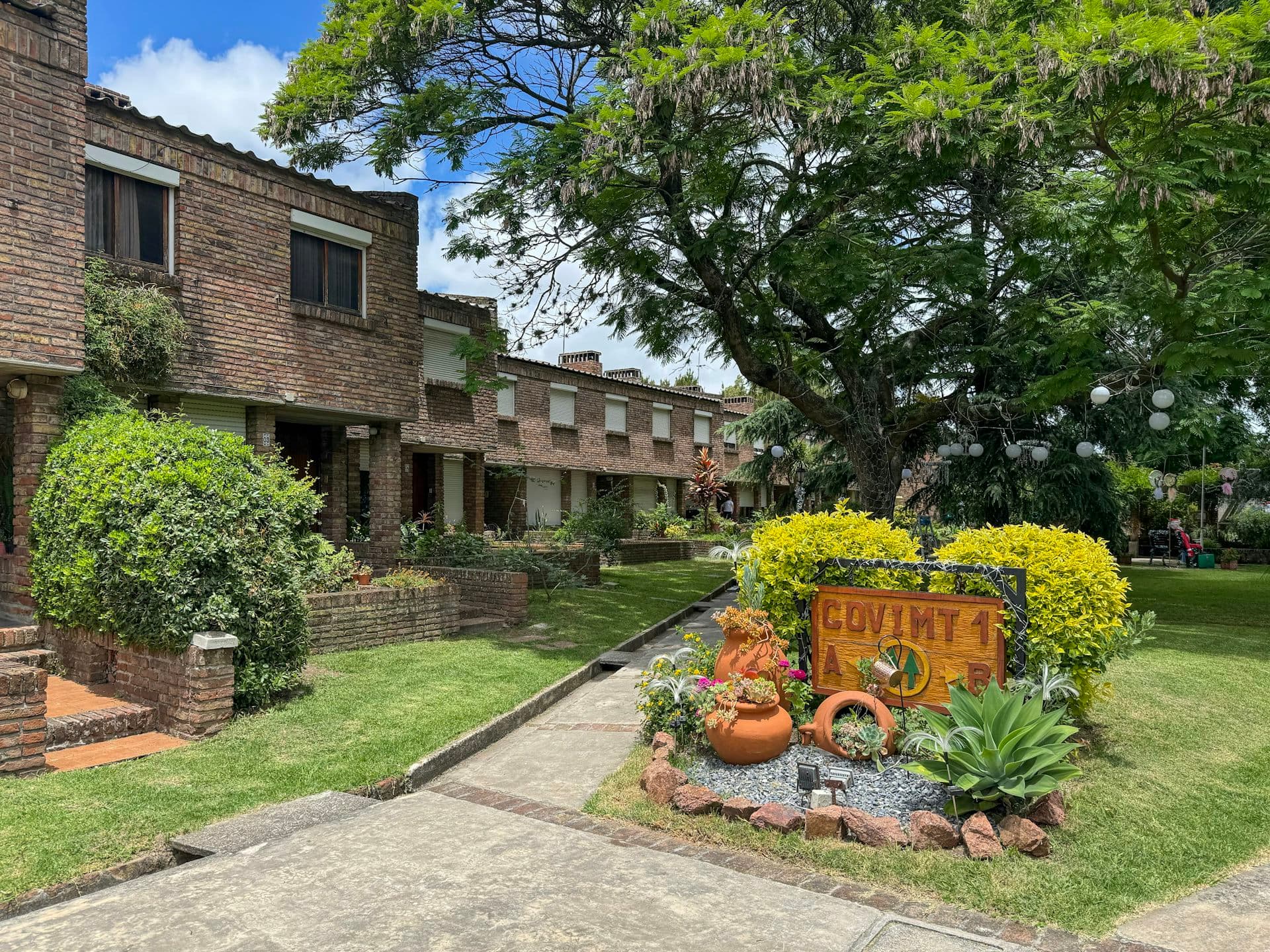
Cooperative housing is described as residents collectively owning and managing their apartment complexes. Responsibilities, costs, and key decisions are shared through democratic governance. The article notes that some contexts have adopted this model at significant scale, citing Zurich, Switzerland, where almost one-fifth of the city’s total housing stock is cooperative housing.
Uruguay’s legal and institutional model
Uruguay is presented as an exception in Latin America, with a “robust network” of cooperatives serving households across income levels in a country of about 3.4 million people. Cooperatives began in the 1960s amid economic turmoil; early pilot projects were reportedly faster to build, higher quality, and more cost-effective than conventional housing, funded by a mix of government resources, Inter-American Development Bank loans, and member contributions. These results helped lead to the National Housing Law (1968), which formally recognised housing cooperatives and created a supportive framework for multiple models.
Two main pathways: savings vs mutual aid
The article distinguishes “savings cooperatives” (members typically contribute around 15% of capital investment and access government-subsidised mortgages) from “mutual aid cooperatives” (households without savings contribute labour—given as 21 hours per week—toward construction). In savings cooperatives, members buy “social shares” linked to the cost of their housing unit; shares are reimbursable if members leave and can be inherited. In mutual aid, tasks are allocated according to abilities, ranging from construction work to administration and procurement.
Permanent affordability through collective ownership
Despite differences, both models are based on collective ownership of land and housing units, keeping them permanently off the private market. Households pay a monthly fee to cover state-loan repayment and maintenance, and in return receive an unlimited, inheritable “use and enjoyment” contract. If members leave, they can be partially reimbursed for contributions, typically with a 10% deduction retained by the cooperative.
Scale today and supporting organisations
Uruguay is reported to have 2,197 housing cooperatives, providing homes for roughly 5% of households; around half are in Montevideo (1,008 cooperatives). Cooperatives range from 12 homes to as many as 700 apartments. The article attributes growth to sustained state support, cooperative federations, and nonprofit “Technical Assistance Institutes” recognised under the 1968 law. It highlights FECOVI (savings cooperatives; over 100 cooperatives serving roughly 5,000 households) and FUCVAM (mutual aid; representing over 35,000 households across 730 cooperatives), noting FUCVAM’s training, legal support, and mediation services.
Urban adaptation: regeneration and higher density
Early cooperatives often built low-density housing on city outskirts, influenced by Garden City ideals and preferences for single-family homes, but this contributed to urban sprawl and infrastructure and mobility challenges. The article describes later adaptation in Montevideo’s historic centre (Ciudad Vieja), where 13 mutual aid cooperatives account for about 6% of housing units in the area. It profiles MUJEFA (founded in 1995 by low-income single mothers) and describes regulatory flexibility to retrofit heritage buildings. It also describes COVIVEMA 5 (completed 2015) as the first high-rise mutual aid cooperative, with specialised training for vertical construction and a mix of member and skilled labour.
“Third way” framing and conditions for success
The article frames cooperatives as neither purely public nor private—an alternative that can provide residents a stake in their homes and long-term security—while emphasising that sustained institutional, technical, and financial support is central to making the model work at scale.