Resource context (Euronews; author Paula Soler)
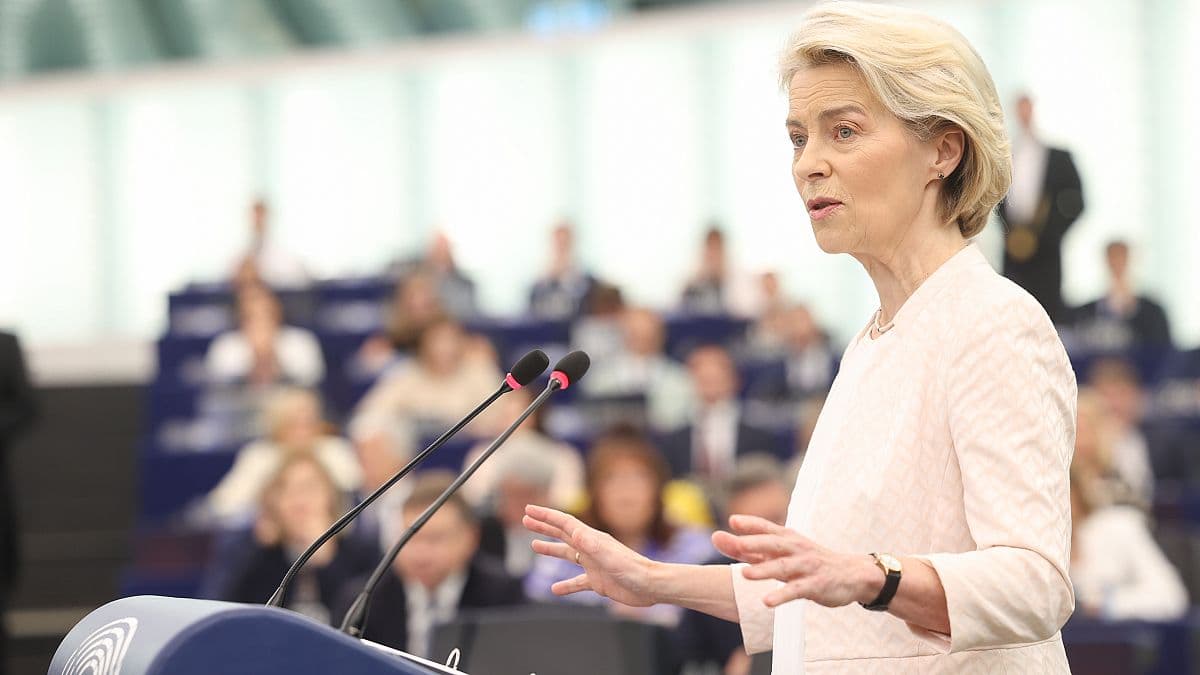
This Euronews article by journalist Paula Soler examines European Commission President Ursula von der Leyen’s pledge to strengthen EU-level action on housing by appointing a Commissioner with a housing mandate and launching the first-ever European affordable housing plan. It frames housing as a growing Europe-wide social and economic challenge, while noting that housing policy has traditionally been an area of limited EU competence.
Evidence of a worsening affordability crisis
The article highlights sharp cost increases across the EU between 2010 and the end of 2023: average rents rose by nearly 23% and house prices increased by almost 48%. These trends are linked to protests in multiple European cities, including Dublin, Amsterdam, and Lisbon, and to the prominence of housing affordability in national and European election campaigns. It also notes that housing costs represented 19.6% of disposable income on average in 2022, rising to almost 38% among people at risk of poverty (defined as having disposable income below 60% of the national median).
Proposed EU role and political mandate for a Housing Commissioner
Von der Leyen argues that “if it matters to Europeans, it matters to Europe,” and positions the new Commissioner role as a way to coordinate policy attention and investment. The Commissioner proposal is described as a key demand from Socialists in exchange for supporting her second mandate. FEPS policy director David Rinaldi is quoted emphasising that a housing plan should address needs beyond the most disadvantaged groups and respond to pressures affecting students, single-person households, single parents, and young workers.
Investment gap in social and affordable housing
A central constraint discussed is the “significant investment gap” in social and affordable housing across member states, alongside limits on the use of public funds that currently can only target the most vulnerable groups. Christophe Rouillon (PES group, European Committee of the Regions) calls for recognising social and affordable housing “for all” as a service of general economic interest, which would support broader intervention beyond narrowly defined disadvantaged groups.
Policy levers the EU could use (finance, regulation, climate, cohesion)
The article lists multiple domains through which the EU could influence housing outcomes, including financial regulation, competition law, energy-efficiency requirements, regulatory and planning standards, cohesion policy, climate action, and urban/rural and social policies. It notes that EU-level housing minister discussions only resumed in 2022 after a decade-long lull, and that political groups and civil society argue EU action should now expand, starting with a dedicated Commissioner or Vice-President focused on dialogue and investment.
Funding and investment mechanisms under discussion
Von der Leyen’s programme is described as including a review of state aid rules to give member states more flexibility to support housing, and a proposal allowing member states to double planned cohesion policy investment in affordable housing. The Commission also plans to work with the European Investment Bank on a pan-European investment platform for affordable and sustainable housing, intended to attract additional public and private investment. The Social Climate Fund is cited as another major source, expected to mobilise at least €86.7bn between 2026 and 2032 for actions and investments supporting the most vulnerable groups.
Short-term rentals, urban pressure, and homelessness targets
The Social Democrats’ proposals include regulating short-term rental platforms such as Airbnb, arguing that while such platforms can provide income for some, they should not undermine city liveability as rising prices push residents out of urban centres. The article also notes a proposal for binding targets to progressively eliminate homelessness by 2029, though it was not included in von der Leyen’s initial programme. Homelessness is presented as a major EU-wide concern, with an estimated 890,000 people experiencing homelessness across the EU (citing a 2023 FEANTSA report), and FEANTSA’s director arguing that combating homelessness should be part of the Housing Commissioner’s responsibilities.
Sharing best practices and next steps for the new portfolio
The piece underlines the importance of exchanging effective approaches among member states, pointing to Finland’s reported success in reducing homelessness as an example of long-term results. Finally, it sets out the institutional timeline: member states were asked to nominate candidates for the next Commission by the end of August, after which von der Leyen would allocate portfolios and define the Housing Commissioner’s powers and responsibilities.