AI-Generated Summary
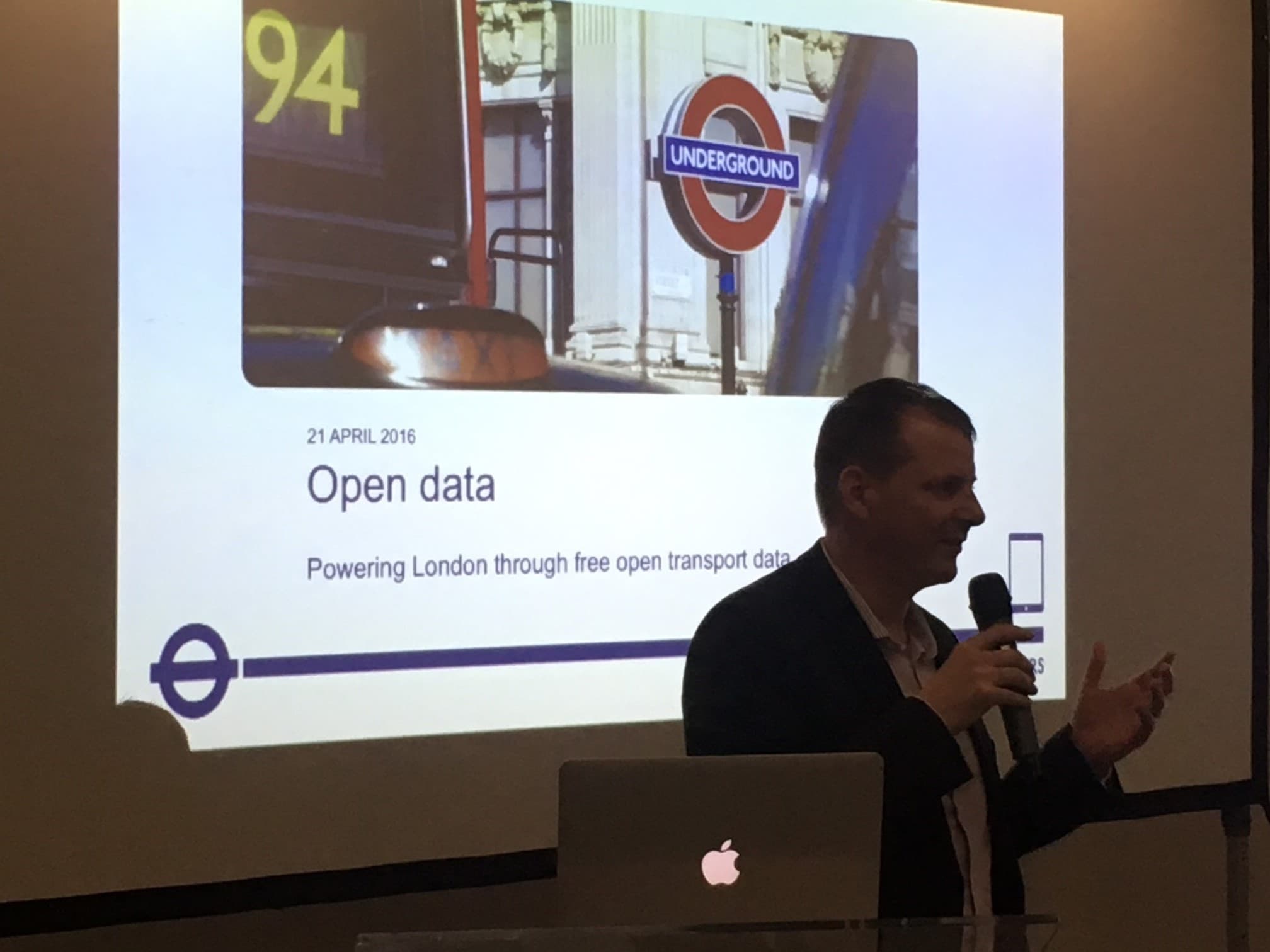
The TfL Open Data Platform is a pioneering initiative from Transport for London (TfL) aimed at making both real-time and static transport data freely accessible to developers, businesses, and the general public. This program, which has been operational since 2010, is recognized as one of the most successful transport open data initiatives globally. It has facilitated the development of over 700 applications, utilized by approximately 42% of London residents, and has generated economic benefits of up to £130 million annually, as assessed by Deloitte.
Key Data Streams
The platform offers a comprehensive range of transport datasets accessible via a Unified API. This includes real-time arrival information for various modes of transport such as the Tube, bus, Overground, Elizabeth line, DLR, and National Rail. Additionally, the journey planning API allows for multimodal route planning that incorporates walking and cycling, while cycling data provides information on docking station availability and infrastructure mapping.
Traffic and Accessibility Information
The platform also offers real-time traffic information, including disruption alerts, camera feeds, and congestion charge data. Accessibility data is provided for step-free access, station facilities, and lift statuses to ensure inclusivity. Furthermore, anonymized Oyster and contactless payment data reveals travel patterns, and environmental monitoring data is available to track air quality across London.
Economic and Social Impact
Deloitte's assessment highlights various benefits of the TfL Open Data Platform. Travelers gain access to real-time information that allows them to modify their routes and avoid disruptions, thus saving time. Drivers benefit from real-time traffic data, which helps them avoid congestion, reducing both journey times and fuel consumption. The platform has also fostered a thriving ecosystem of innovation, leading to high-value tech jobs that contribute approximately £130 million annually to London's economy. Additionally, the availability of open data has reduced the need for in-house app development and decreased contact center call volumes.
Developer Ecosystem
The program has stimulated a vibrant developer community, leading to the creation of commercial applications such as Citymapper, Google Maps, and Apple Maps, which all integrate TfL data. Specialist tools for accessibility navigation, cycling route planning, and freight logistics have emerged, alongside academic research initiatives utilizing TfL data for transport modeling and AI/ML training. Civic technology has also flourished, with community developers creating tools for public advocacy and accountability, supported by TfL through hackathons and developer events.
Global Influence
TfL's Open Data Platform has set a benchmark for transport authorities worldwide, with cities like New York, Paris, Berlin, and Singapore studying the London model. Key principles include a commitment to openness, investment in API infrastructure, active engagement with developers, and a willingness to measure the economic value of open data. This initiative exemplifies how open data can enhance urban mobility and contribute to sustainable urban development.