AI-Generated Summary
Open Data BCN — Barcelona Open Data Portal is the official open data platform developed by the Barcelona City Council. It offers free access to a wide range of municipal datasets that cover various aspects of city life. Launched by the Ajuntament de Barcelona through its Municipal Institute of Informatics, this portal demonstrates Barcelona's commitment to transparency, technological sovereignty, and citizen empowerment through data.
Overview of Data Commons Vision
Open Data BCN embodies the Data Commons philosophy, which positions municipal data as a shared public resource to be governed in the public interest. This approach emphasizes data sovereignty, ensuring the city retains control over data generated by its operations and public services. Ethical data use is upheld through the city's Ethical Digital Standards, ensuring privacy, transparency, and accountability. The portal aims for democratic access, making data available in open, machine-readable formats accessible to all citizens, thus fostering community benefit and civic innovation.
Dataset Categories and Coverage
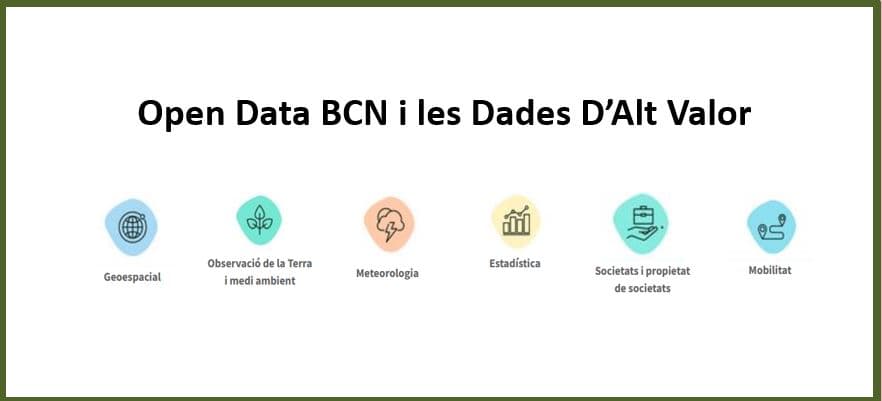
The portal organizes datasets into thematic categories relevant to urban living. 1. Urban Planning and Housing: This section includes datasets on building permits, urban development plans, zoning regulations, and housing statistics, which are essential for urban planning research and citizen engagement. 2. Mobility and Transport: Provides data on public transport usage, traffic flow, and cycling infrastructure, supported by an extensive sensor network that tracks how residents move throughout the city. 3. Environment and Sustainability: Features air quality measurements, noise pollution data, green space inventories, and recycling statistics, contributing to environmental monitoring and sustainable urban development. 4. Demographics and Social Services: Offers population statistics, income distribution, and social service usage data, which aid in formulating evidence-based social policies and identifying communities in need. 5. Economy and Commerce: Includes business registration data, tourism statistics, and employment data to support economic development planning. 6. Culture and Heritage: Contains information about museums, libraries, cultural events, and heritage sites, enriching cultural mapping and tourism initiatives.
Technical Infrastructure
Open Data BCN provides various access methods to accommodate users with different technical skills. Users can interact with the data via a web interface, which includes a searchable catalogue with visualization capabilities. For developers, RESTful APIs allow for the integration of live data into applications. Datasets are available in multiple formats, including CSV and JSON, and the portal utilizes a CKAN-based platform for interoperability.
Integration with Digital Ecosystem
The portal is integrated with Barcelona's broader digital infrastructure, including the participatory democracy platform Decidim, which utilizes open data to inform citizen decision-making. The portal also connects with the Sentilo sensor platform and the City OS, which aggregates and analyzes data from various city services, aligning with Barcelona's Digital City Plan.
Impact and Recognition
Open Data BCN has gained international recognition as a leading example of municipal open data initiatives. It has consistently been ranked among Europe's top open data portals and cited in EU policy documents regarding data governance. The platform has been instrumental for developers, researchers, and civic technology projects, contributing significantly to Barcelona's reputation as a smart city and advocate for digital rights.