AI-Generated Summary
CORRECTIV, a publisher focused on investigative journalism, presents a comprehensive analysis authored by Lilith Grull and Frida Thurm regarding the escalating housing crisis in Europe, particularly affecting healthcare professionals like nurses. This evaluation sheds light on the alarming reality that in many regions, even a moderate salary is insufficient to afford basic housing.
Rising Housing Costs
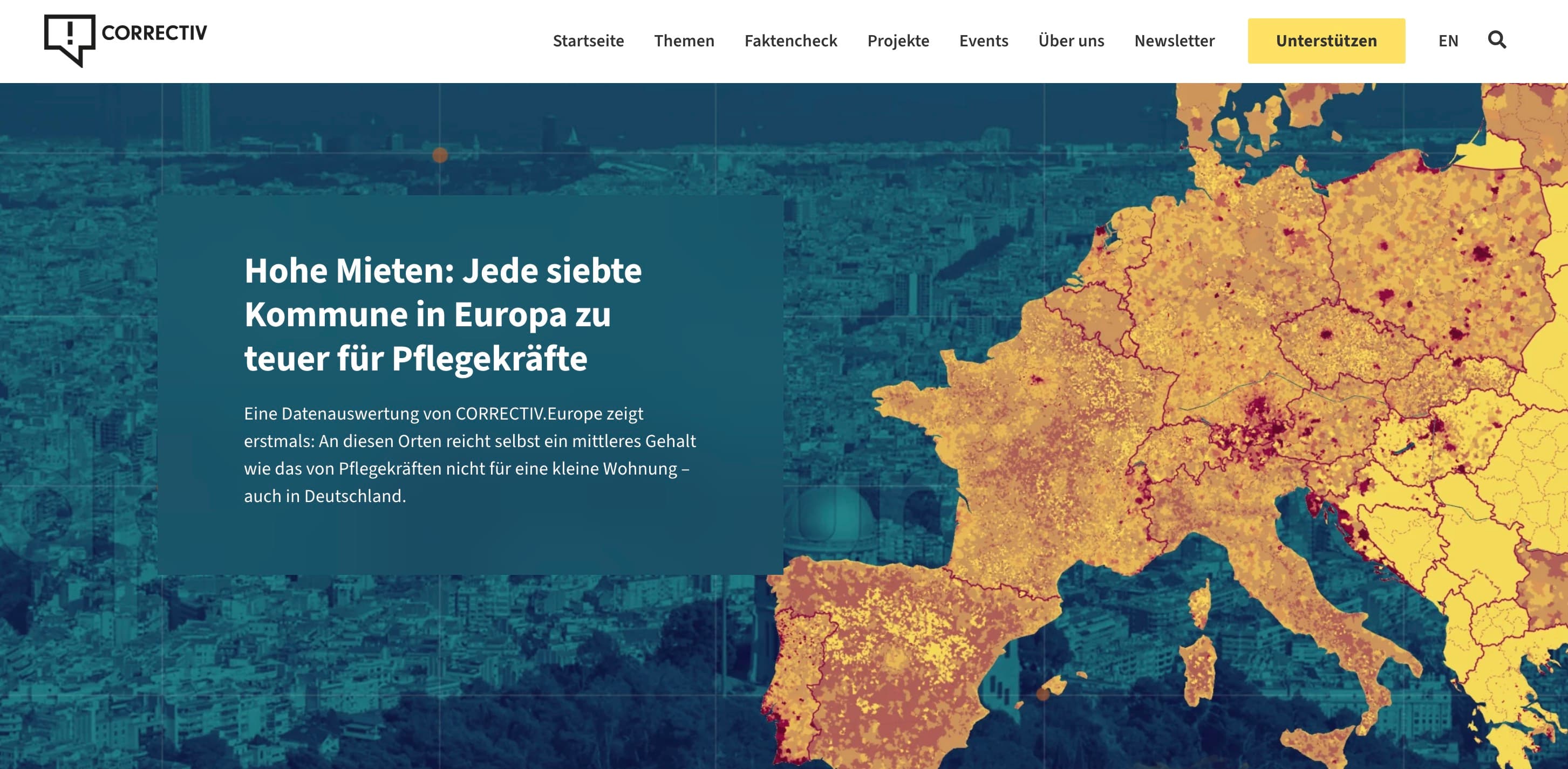
Housing in Europe has become markedly more expensive, with a significant increase in rental and purchase prices. Between 2015 and 2025, average rents across the EU surged by 21.1%, while purchase prices skyrocketed by 63.6%. In major German cities, rents have risen by 50% over the last decade. This analysis marks the first time that local housing prices have been compared across nearly 100,000 EU cities and municipalities.
Impact on Healthcare Workers
The study reveals that over 15% of locations in the EU, including Norway, Iceland, and Switzerland, are unaffordable for nurses, who typically earn moderate salaries. In cities like Warsaw, mortgage payments can consume more than 70% of a nurse's net income. Additionally, holiday destinations such as Garmisch-Partenkirchen require over half of a nurse’s salary for housing.
Housing Affordability Crisis
More than a third of EU residents live in areas where a small ownership apartment is financially out of reach for nurses. Although rental markets appear slightly less severe, over 15% of municipalities remain unaffordable for these professionals. In Paris, for instance, nurses would need to allocate more than 45% of their income to rent, exceeding the 30% threshold deemed affordable.
Comprehensive Data Analysis
The CORRECTIV analysis integrates rental and purchase data from the House4All project with national income statistics for nurses. This data, collected weekly from March 2024 to March 2025, reflects the precarious situation for those entering the housing market, especially in densely populated urban areas. The report warns that this situation may only be a precursor to a more severe affordability crisis.
Underlying Reasons for High Costs
Key factors driving these rising costs include expensive land prices, the financialization of real estate, and insufficient new housing construction. The demand for housing continues to outstrip supply, exacerbating affordability issues. Moreover, short-term rentals and urban migration further strain the housing market.
Wider Economic Implications
The lack of affordable housing poses a significant challenge not only for individuals but also for the economy. It hampers the ability of employers to recruit essential workers, particularly in healthcare, leading to a potential talent drain in critical sectors.
Innovative Solutions
In Freiburg, some healthcare institutions have taken proactive measures, such as hiring real estate agents and providing accommodation for trainees. A collaborative initiative among 16 healthcare employers aims to streamline housing offers from private landlords directly to clinics, helping bridge the gap for healthcare workers.
Conclusion: A Call to Action
The ongoing housing crisis in Europe presents a pressing social issue, with experts calling for coordinated action to address affordability. Solutions proposed include increasing the availability of social housing, regulating short-term rentals, and implementing policies like land value taxes to mitigate speculation in real estate. The analysis emphasizes that without addressing these challenges, broader societal goals may falter.