Resource context (EU News; cited EU leaders)
This EU News article reports on European Union discussions on the “right to housing” and outlines proposals for a European plan for affordable housing. The piece cites remarks by Margaritis Schinas (outgoing Vice President of the European Commission) and references commitments associated with Commission President Ursula von der Leyen. It also discusses policy positions raised in the European Parliament and names figures connected to the debate, including Dan Jørgensen, Iratxe García Pérez, Dario Tamburrano, and Paolo Borchia.
Scale of the housing pressure in the EU
The article frames housing as a worsening structural issue across Europe, linking affordability to broader social and economic stability. It points to Eurostat-reported trends showing that, from 2010 to the present, house prices in the EU increased by an average of 52%, while rents rose by 25%. These figures are used to argue that delaying action risks further deterioration in affordability and living conditions.
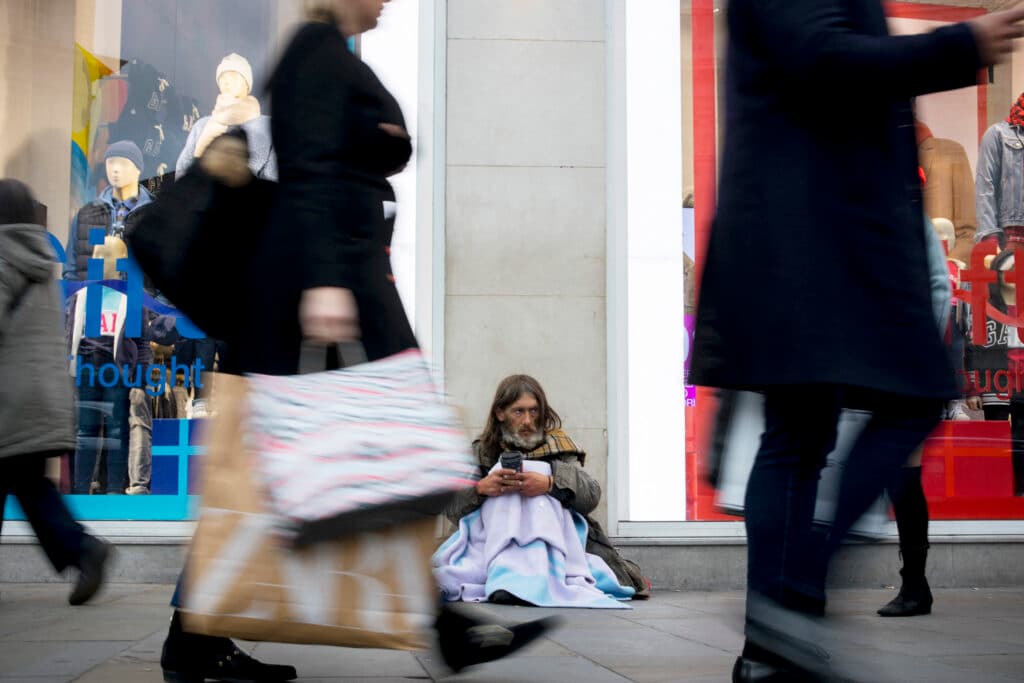
Homelessness data cited in the debate
To illustrate urgency, the article cites estimates from homelessness and economic organisations. FEANTSA is quoted as estimating at least 700,000 people experiencing homelessness across the EU in 2020 (sleeping rough or in emergency/temporary accommodation), described as a 70% increase compared with counts a decade earlier. In parallel, the OECD is cited as estimating around 900,000 homeless people across 21 member states where it could access data.
EU governance changes and new political commitments
A central development described is the assignment of a dedicated portfolio combining Energy and Housing to Danish Social Democrat Dan Jørgensen in the incoming Commission, presented as a first for the EU. The article also notes the creation of a special committee on housing in the European Parliament, signalling a more institutionalised approach to the topic. Within Parliament, the Socialist Group frames affordable housing as a key demand for the 2024–2029 Commission term.
Investment instruments and regulatory levers under discussion
The article describes a proposed mix of financing and rule changes. It reports that the European Commission intends to lean on the European Investment Bank to implement a pan-European investment platform for affordable housing. It also states that member states may be allowed to double investments under Cohesion Policies targeted at affordable housing. Another lever mentioned is revising EU state aid rules to reduce barriers and enable more investment in housing.
Links to sustainability, energy poverty, and renovation impacts
Housing policy is presented as connected to the EU Green Deal and efforts to combat energy poverty. The article relays concerns that upgrades aimed at energy and environmental efficiency must not translate into unsustainable rent increases, displacement, or evictions—especially for vulnerable tenants. It also records political criticism focused on cost distribution, questioning who would pay for efficiency improvements to Europe’s residential building stock.
Distributional goals and rules on the use of EU funds
The Socialist Group’s position is summarised with an emphasis on protecting lower-income households: it calls for large investment to protect the bottom three-fifths of society from record housing costs. The article also notes proposals to restrict EU investment funds to affordable housing (not tourist rentals) and to favour public authorities—rather than investment funds—in managing social rental housing. It cites the claim that more than 10% of European households spend over 40% of their income on housing expenses, a share expected to grow in a “dysfunctional and speculative” housing market.