Resource overview and provenance
POLITICO’s article “EU finally takes ownership of housing crisis,” written by Aitor Hernández-Morales, examines how European Union institutions are moving from a long-standing hands-off stance on housing toward a more active role as affordability pressures intensify across Europe and shape political dynamics.
Why housing moved onto the EU agenda
The article argues that housing costs have been rising across Europe for at least a decade, while EU action remained limited because housing is not explicitly an EU treaty competence and market regulation has largely been left to national, regional and local authorities. This position is now shifting as leaders acknowledge a housing crisis that is “impossible to ignore” and as mainstream parties worry that unresolved affordability problems are fueling support for far-right populists.
A high-level political turning point
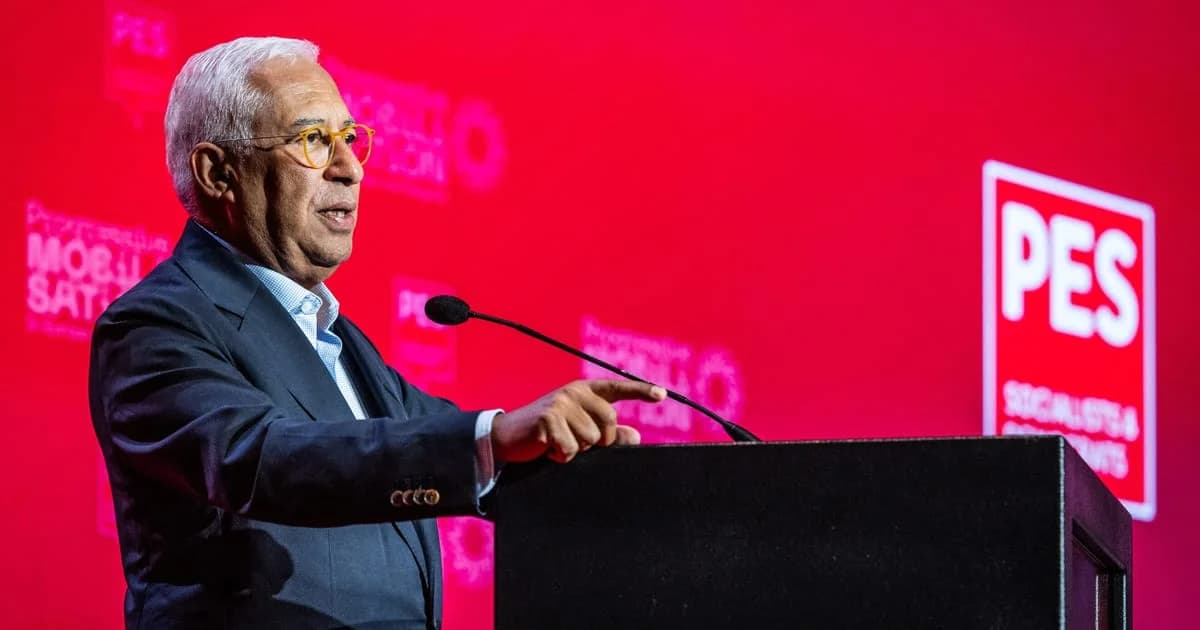
National leaders gathering at a European Council summit are described as abandoning the “not our problem” posture and preparing, for the first time, to debate housing affordability at the highest political level. European Council President António Costa frames the issue as requiring leaders to work together on how EU-level action can complement national and local efforts. The summit is presented as the Council formally joining the European Commission and the European Parliament, both of which have advanced their own initiatives on housing during the past year.
What the EU has (and hasn’t) done so far
The piece contrasts today’s momentum with earlier symbolic responses, citing the 2017 European Pillar of Social Rights, which recognizes a right to decent housing but is portrayed as lacking mechanisms to guarantee access. It also notes a long gap in Council-level attention: the Council did not organize a single meeting of EU housing ministers from 2013 to 2022, underscoring how recently housing has risen to the top of the institutional agenda.
New institutional architecture and upcoming plans
The article highlights steps taken ahead of and after the 2024 European Parliament election, when center-left groups elevated housing as a priority. A key institutional signal is the appointment of Denmark’s Dan Jørgensen as the EU’s first dedicated housing commissioner. Jørgensen is expected to unveil an EU Affordable Housing Plan in December 2025 and to present a separate initiative addressing short-term rentals in 2026. In parallel, the European Parliament has created a special committee to assess the scale of the housing problem and is expected to propose measures in the coming months. Costa also placed housing on the EU Leaders Agenda for 2025, describing the crisis as a “triple threat” affecting fundamental rights, competitiveness, and trust in democratic institutions.
Likely fault lines: speculation, rentals, funding, and subsidiarity
Despite the shift in attention, the article stresses the risk of deadlock in the Council. Leaders are portrayed as divided on whether and how to curb housing speculation, regulate short-term rentals, and prioritize EU funding for cooperatives and other affordable public housing approaches. Draft summit conclusions characterize the crisis as “pressing,” yet mainly call on the Commission to deliver its already-scheduled Affordable Housing Plan, while emphasizing “due regard” for subsidiarity—signaling that some governments may resist deeper EU intervention. Stakeholders quoted suggest this could either constrain the Commission’s ambitions or refocus EU action on areas like fiscal rules and directing EU resources toward social and public housing while strengthening local tools.
Cities pushing for stronger EU action
Local leaders are depicted as closely watching the summit. Barcelona Mayor Jaume Collboni and 18 other politicians from major EU cities signed an open letter urging a stronger EU response, describing the housing crisis as Europe’s main source of social inequality. They call for an Affordable Housing Plan with three elements aimed at cities: agile funding, regulatory tools, and decision-making capacity for local authorities.