AI-Generated Summary
The report titled "Enabling the Digital Green Transition: A Study of Potentials and Data-Driven Policy Measures" is published by the Nordic Council of Ministers. It explores the innovative use of digital twin technology in Nordic cities to foster urban sustainability. The report highlights how 3D city models, enriched with environmental data and simulation capabilities, are being utilized to promote greener urban development across Scandinavia.
Digital Twins for Sustainability
Digital twins serve as more than mere technical tools; they are pivotal in achieving sustainability goals. By generating dynamic virtual representations of urban settings with real-time environmental data, cities can effectively simulate the impact of green infrastructure. This includes testing interventions like tree planting, green roofs, and urban parks to assess their effects on temperature, air quality, and biodiversity. Furthermore, these tools optimize energy systems by modeling energy flows across districts, identifying inefficiencies, and evaluating scenarios for renewable energy integration. They also facilitate climate adaptation strategies by assessing flood risks and stormwater management options using detailed terrain data.
Nordic Case Studies
The report presents several case studies from Nordic cities showcasing the application of digital twins: Helsinki, Finland integrates 3D building models with energy consumption data, allowing the city to evaluate energy performance on a district scale, thereby informing retrofit programs and zoning decisions. Copenhagen, Denmark connects its digital twin to a comprehensive smart city data platform, merging traffic, energy, and environmental data. This integration enables planners to simulate the effects of cycling infrastructure and green corridors on the city’s carbon neutrality goals. Stockholm, Sweden focuses on urban planning and citizen engagement. Through immersive 3D visualizations, the city facilitates public consultations, allowing residents to visually explore proposed neighborhood changes. Oslo, Norway supports zero-emission zone plans and climate budgets with its digital twin, tracking transport emissions and building energy use to measure progress against climate targets.
Citizen Engagement Through Visualisation
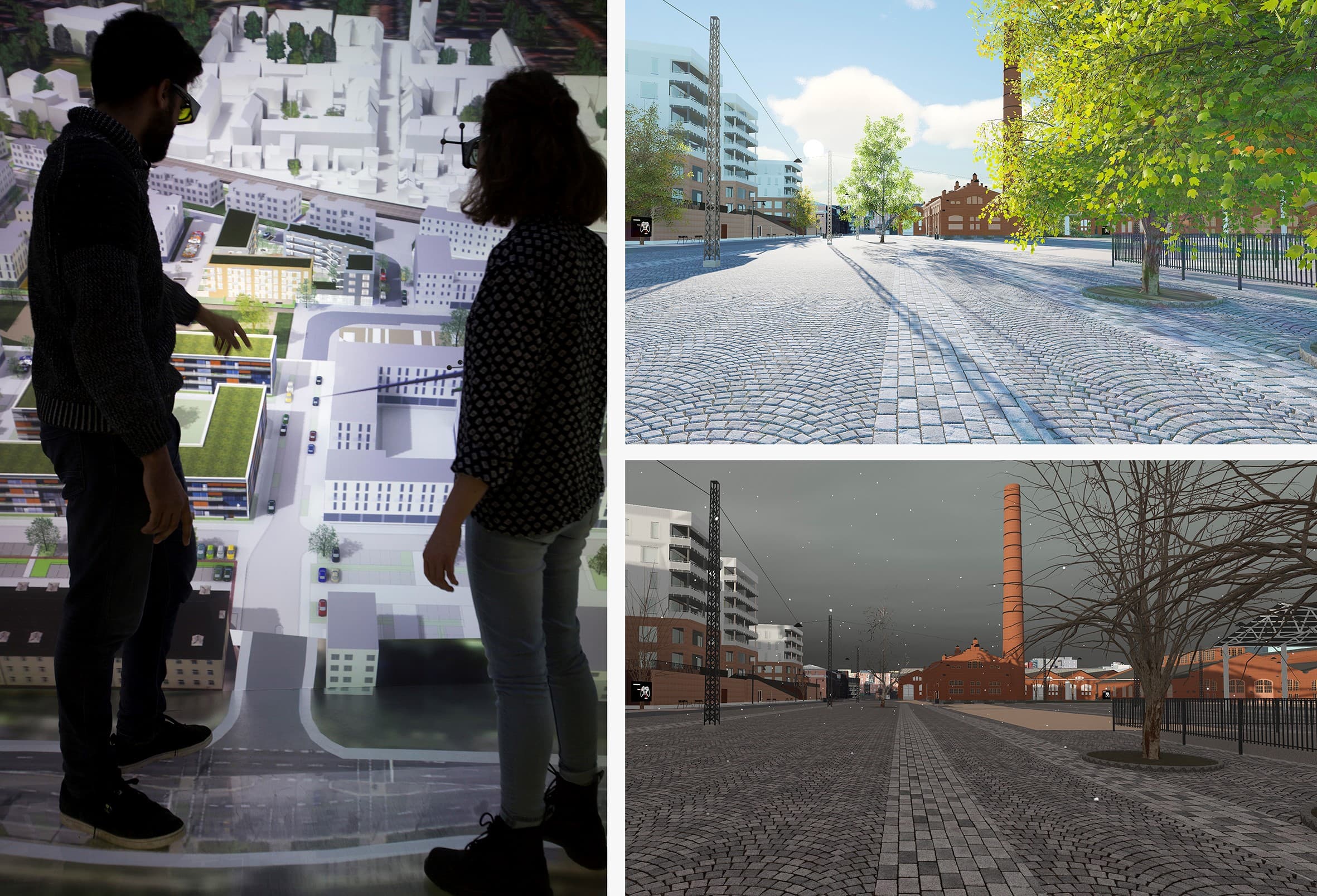
A noteworthy aspect of the Nordic approach is the use of digital twins to enhance democratic participation. Traditional urban planning often relies on complex technical documents and 2D maps that are challenging for the general public to understand. Digital twins address this issue by offering immersive 3D environments for citizens to virtually explore developments. They provide before-and-after comparisons showing anticipated changes in environmental conditions and traffic patterns, along with interactive tools that allow residents to test various scenarios and observe their impacts.
Lessons for European Cities
The report offers valuable insights for cities across Europe. It emphasizes the importance of starting with clear sustainability goals when implementing digital twins, ensuring these tools are designed around specific environmental objectives. Moreover, integrating environmental data from the beginning multiplies the utility of these models. Investment in data interoperability is crucial, allowing coherent combinations of data from diverse sources. Finally, using digital twins can democratize planning processes, transforming citizen engagement from a mandatory exercise into a collaborative effort.
Resource Link
For further details, readers can access the full report through the provided link: Green Digital Twin Cities — Nordic Council of Ministers.