Overview of the Resource
The article originates from Co‑operative News, a specialist publisher covering cooperative movements across the UK and Europe. It was authored by Alice Toomer‑McAlpine, a journalist with a focus on community‑driven initiatives. The piece compiles observations from the recent World Transformed festival and highlights a range of cooperative projects that illustrate emerging models for sustainable, community‑led housing and broader solidarity economies across Europe.
Festival Context and Scale
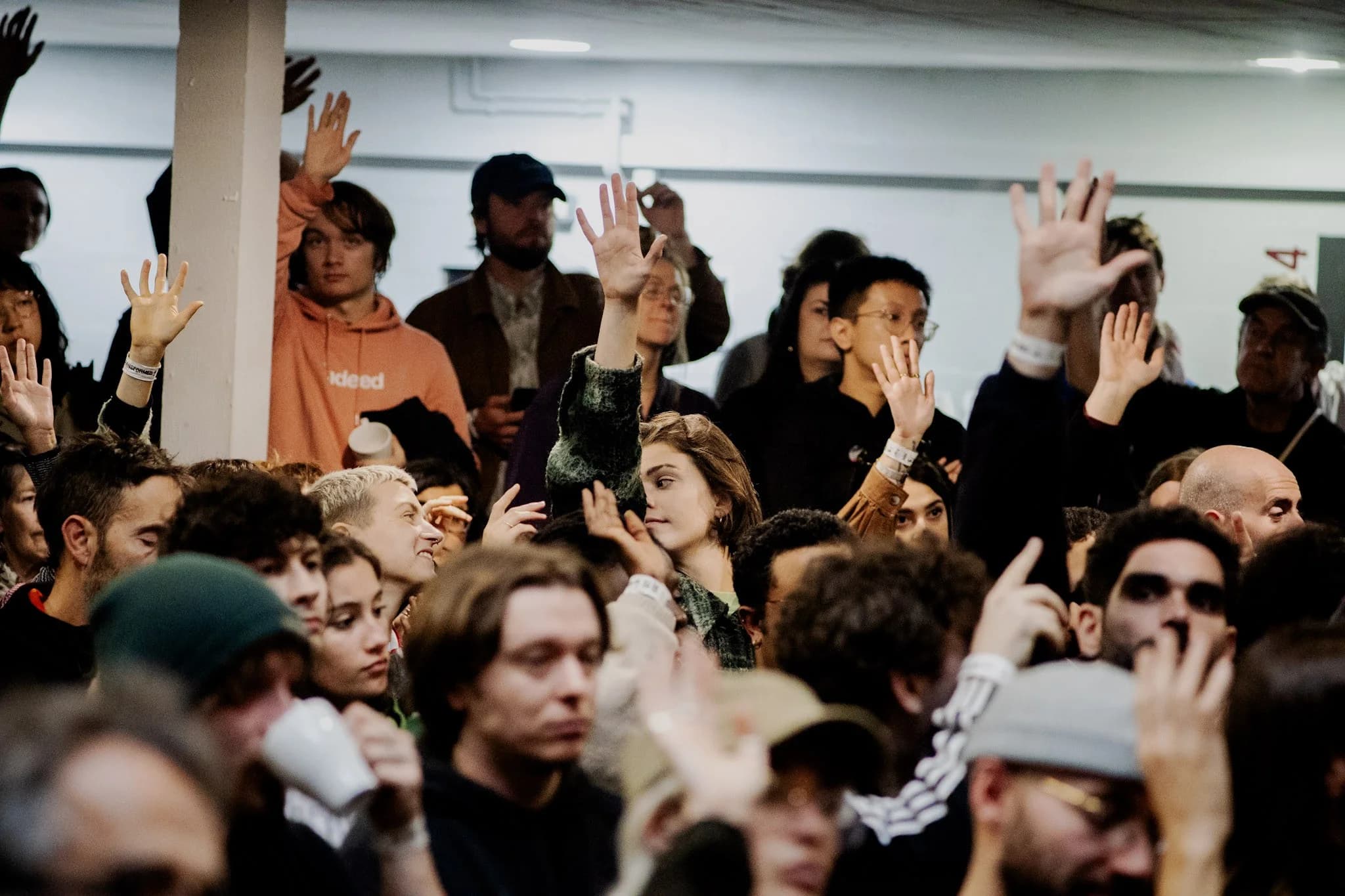
World Transformed gathered over 3,000 participants from left‑wing and progressive movements. The 2024 edition featured more than 120 discussions, workshops, and social events, marking the first time the festival operated independently of the Labour Party and included speakers from the Greens and the nascent Your Party. The event served as a platform for showcasing cooperative approaches to urban development, including housing, energy, and food systems.
Cooperative Projects in Action
Across multiple venues—such as Work for Change, Niamos, and Hulme Community Garden Centre—co‑ops demonstrated practical interventions. Notable examples include the Wards Corner Community Benefit Society in Tottenham, which saved the Seven Sisters indoor market in 2007 and now manages it as a community‑run space, providing affordable retail and social infrastructure. In the Basque Country, the Hiritik At urban planning co‑op (Olatukoop) promotes local identity through cooperative planning, linking cultural preservation with sustainable development.
Sustainable Housing Initiatives
Several cooperative networks discussed housing strategies aimed at reducing reliance on private landlords and speculative development. Co‑operation North, active in Hull, Sheffield, and Manchester, uses savings clubs, food co‑ops, and community‑owned energy schemes to fund affordable housing projects. In Manchester, a community‑led clean‑up of an unused outdoor site has sparked discussions about creating new, affordable housing on underutilised land, countering rapid gentrification and soaring property prices.
Pan‑European Connections
The article references inspiration from international models such as Cooperation Jackson in the United States, the Kurdish Freedom Movement’s cooperative experiments in Syria, and Barcelona En Comú’s municipal‑level cooperative policies. These examples illustrate a growing transnational network of solidarity economies that share tools for collective ownership, participatory budgeting, and community‑driven urban planning—all relevant to sustainable housing across Europe.
Key Data and Facts
- Festival attendance: >3,000 participants.
- Sessions: >120 across topics of housing, energy, food, and care.
- Wards Corner Community Benefit Society founded: 2007, now manages Seven Sisters market.
- Co‑operation North operates in three UK cities, employing savings clubs and community energy to support housing.
- Over 40 properties acquired by Cooperation Jackson in the past decade, demonstrating feasibility of large‑scale cooperative land ownership.
Impact on Future Housing Policy
The documented initiatives emphasize three core mechanisms for sustainable housing: (1) community ownership of land and buildings, (2) democratic decision‑making through assemblies and co‑operative structures, and (3) reinvestment of local resources into affordable housing projects. By showcasing successful case studies and linking them to broader solidarity economies, the article provides a factual blueprint for pan‑European audiences seeking scalable, cooperative solutions to the housing crisis.