AI-Generated Summary
The Budapest 2030 Long-Term Urban Development Concept is a comprehensive strategic planning document adopted by the Budapest General Assembly. This document outlines the long-term development trajectory of Budapest, Hungary's capital, while considering its unique urban characteristics and position within the European urban network.
Context and Motivation
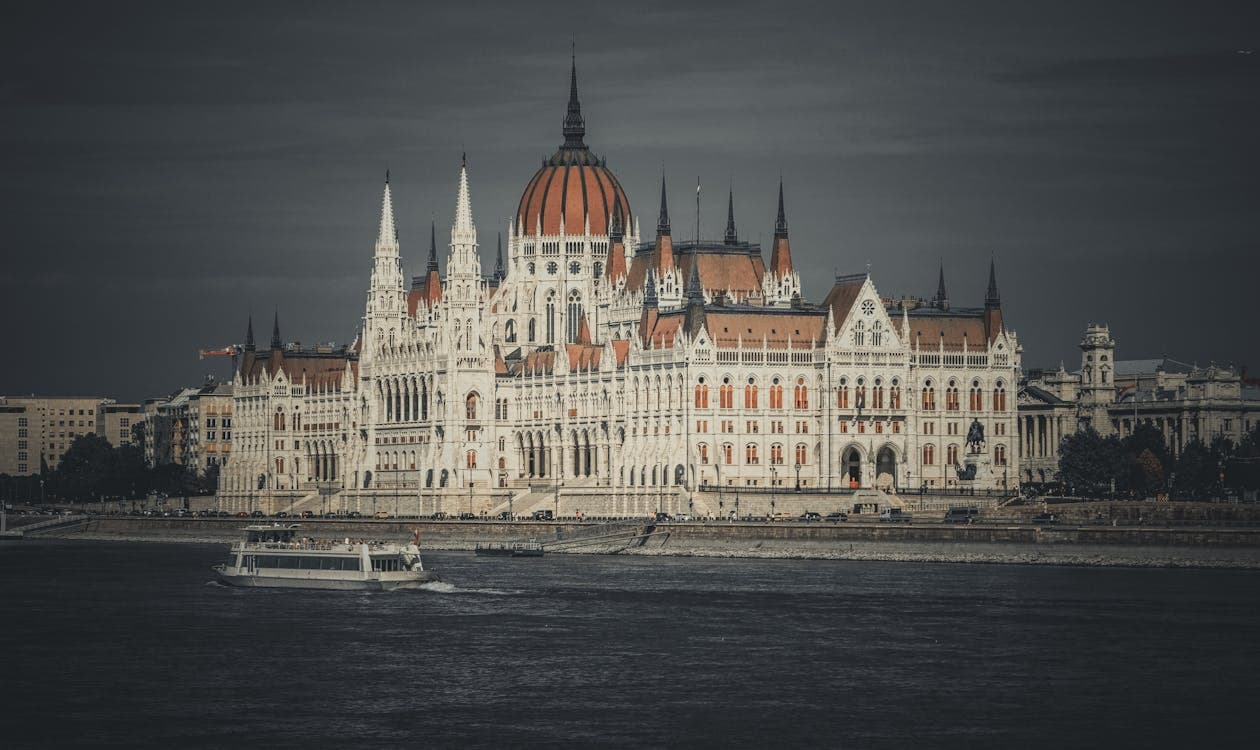
The concept was developed in response to the global financial crisis of 2008–2012, which significantly impacted Hungary's economy and urban development prospects. Faced with shrinking public resources, Budapest shifted its development objectives from ambitious growth narratives to a more pragmatic, resilience-oriented approach. The city, home to approximately 1.7 million residents, serves as Hungary's political, economic, cultural, and educational capital, uniquely positioned along the Danube River.
Global Objectives
The concept outlines four overarching global objectives to guide development priorities: 1. Strengthening Budapest's position in the European region to enhance international competitiveness and attract investment. 2. Creating a harmonious and diverse urban environment that improves the quality of the built environment and preserves heritage. 3. Improving quality of life and fostering community cohesion to address social inequalities. 4. Supporting a sustainable, value-based economy that emphasizes innovation and long-term value creation.
Thematic Areas
The concept is structured around five thematic perspectives on the city: 1. The City as Home: Focused on improving housing quality and affordability, recognizing the diverse housing stock in Budapest. 2. The City as Public Space: Aims to enhance public spaces such as streets, parks, and waterfronts, particularly the Danube riverfront as a vibrant public realm. 3. The City as a Place to Work: Supports economic development by investing in knowledge infrastructure and promoting creative industries. 4. The City as a System: Addresses technical infrastructure, including transport and utilities, promoting sustainable public transport and cycling. 5. The City and Its Region: Emphasizes coordination between Budapest and surrounding municipalities on transport and environmental management.
Spatial Strategy
The concept defines five spatial zones within Budapest, each with tailored development priorities: - Inner zone: Focused on heritage preservation and public space improvement. - Transitional zone: Areas undergoing urban regeneration. - Suburban zone: Outer districts improving local services and green infrastructure. - Danube zone: Prioritized for waterfront development. - Hilly zone: Focused on environmental protection.
Smart Budapest Vision
Building upon the Budapest 2030 framework, the Smart Budapest Vision integrates smart city principles to achieve urban development goals. This vision identifies six strategic areas and twelve areas of action related to smart technologies, including smart mobility and digital governance.
Implementation and Related Plans
The Budapest 2030 concept serves as the foundation for various implementation plans, including the Budapest 2020 Integrated Urban Development Strategy, the Balázs Mór Plan for sustainable transport, and climate strategies addressing the city’s climate commitments.
Relevance to Smart City Practitioners
The Budapest 2030 concept illustrates how a Central European capital can create a long-term urban vision that aligns spatial planning, economic development, social inclusion, and environmental sustainability. For smart city practitioners, it demonstrates how smart city strategies can be integrated into broader urban development goals.