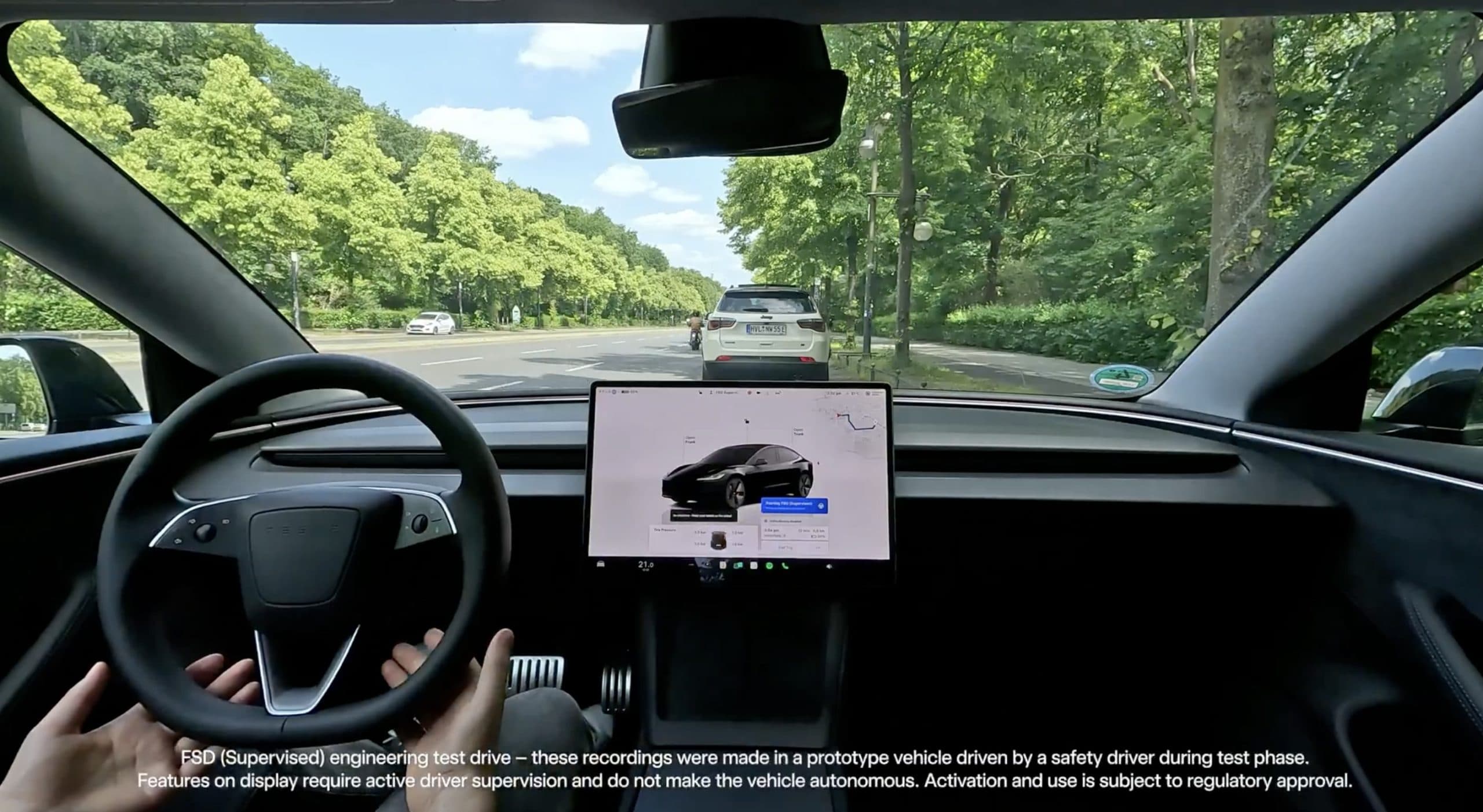
AI-Generated Summary
The resource titled "Autonomous Vehicles in European Cities" is published by ERTRAC and provides an in-depth exploration of the transformative impact of autonomous vehicles (AVs) on urban mobility across Europe. The document outlines the current landscape, regulatory frameworks, urban trials, opportunities, challenges, and relevance to smart city practitioners.
Overview of Autonomous Vehicles
Autonomous vehicles are becoming a pivotal force in reshaping urban mobility in European cities. Various municipalities are testing self-driving cars, minibuses, and shuttles to tackle persistent transportation challenges, including last-mile connectivity, congestion, road safety, and emissions reduction. However, the journey toward commercializing AVs in Europe is more intricate compared to regions like Asia and the United States, which is attributed to higher regulatory standards and a strong emphasis on safety and citizen acceptance.
The European Regulatory Landscape
Europe’s regulatory approach prioritizes safety and harmonization. The EU's revised General Safety Regulation, effective from July 2022, mandates advanced driver assistance systems (ADAS) in new vehicles and establishes a legal framework for the approval of automated vehicles. Germany leads with its Autonomous Driving Act, allowing Level 4 vehicles to operate without a human driver in designated areas. France and the United Kingdom have also enacted relevant legislation. Despite these advancements, EU-wide legislation is still evolving, with many national regulations focusing primarily on testing phases rather than technological advancements.
Urban Trials and Pilot Projects
Numerous European cities are conducting trials focused on specific use cases for AVs. For example, autonomous shuttles are being tested as last-mile connectors in controlled environments like university campuses and suburban neighborhoods. Pilot projects in Oslo, Berlin, Helsinki, and Paris are examples of cities integrating AVs into their public transport systems. These trials aim to assess the effectiveness of AVs in addressing mobility gaps.
Opportunities for Urban Mobility
The deployment of autonomous vehicles presents various opportunities for European cities. AVs can significantly improve last-mile connectivity, reduce road accidents attributed to human error, and lower emissions when paired with electric powertrains. Additionally, they have the potential to enhance public transport systems and improve accessibility for individuals with mobility challenges.
Challenges and Critical Questions
Despite the promising opportunities, several challenges impede the deployment of AVs in urban settings. The complexity of European urban environments, public acceptance issues, and competition with existing public transport systems pose significant hurdles. Furthermore, concerns regarding data governance, economic disruption, and ensuring equitable access to AV services are critical issues that need addressing.
Relevance to Smart City Practitioners
For smart city practitioners, the deployment of autonomous vehicles is part of a broader transformation in urban mobility. The European experience underscores the importance of integrating AVs into existing public transport systems while developing robust regulatory frameworks and engaging citizens in governance. The pilot-based approach adopted by many cities balances innovation with safety and public acceptance, serving as a pragmatic model for other regions to consider.