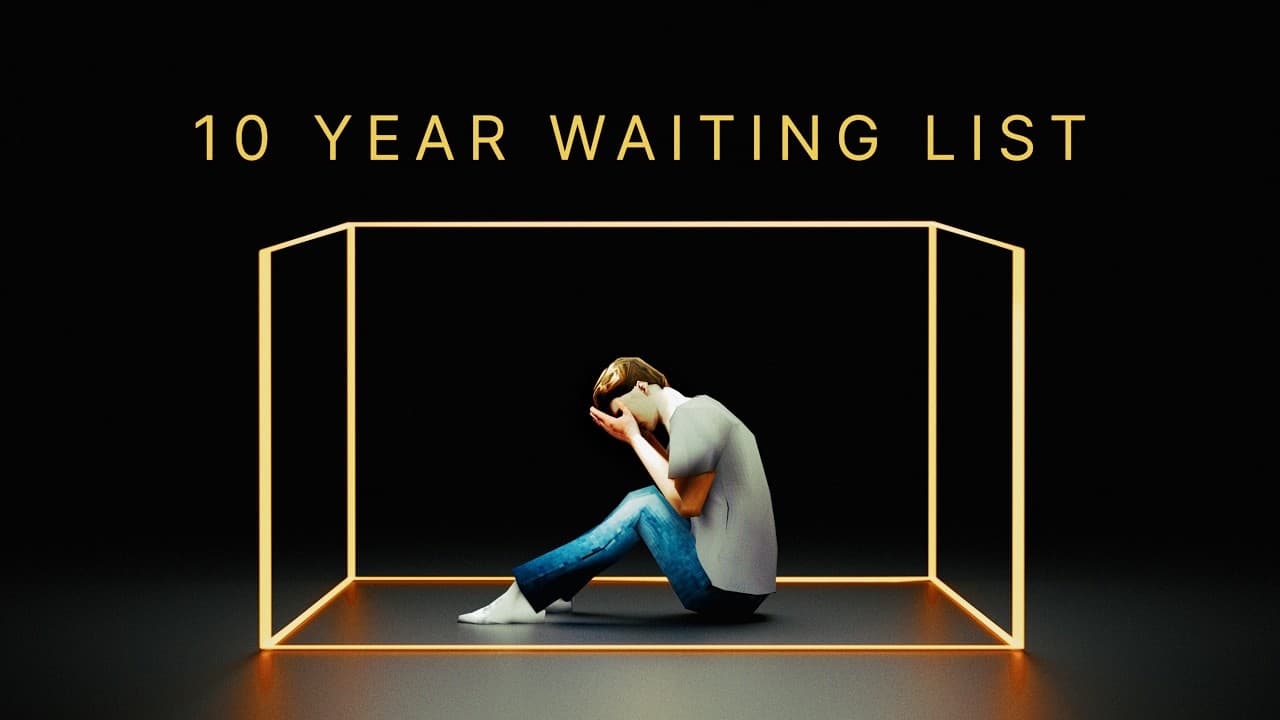
Overview of the Video Resource
The resource is a YouTube video titled “Amsterdam Is Becoming a Dystopia”, presented by the channel Hoog. The video is narrated by writer Mats Meeus and features interviews with representatives from Amsterdam’s four largest political parties, housing policy experts, and local officials such as Luuk Wolter, Jesse Schuuring, Alessandro Cappeci, and Will Urquhart. It explores the city’s severe housing crisis, linking historical policy decisions to current affordability challenges.
Historical Roots of Amsterdam’s Housing System
Amsterdam once led Europe in public‑owned affordable housing, with roughly 40 % of its stock built by housing corporations (corporaties) after World War II. The post‑war model relied on state‑funded, nonprofit associations that constructed and managed social housing. In the 1960s the city expanded with garden‑city districts, maintaining a high share of public housing.
Current Housing Crisis Statistics
- Waiting list for social housing exceeds ten years.
- Average home price is over €600,000 and continues to rise.
- Views on the video: 149,783; duration 52 minutes 24 seconds.
- Approximately 30 % of people living in public housing have high incomes, receiving subsidies.
- Construction costs for social housing have risen sharply, with a reported increase from €55 million to €47 million (note: figures appear inverted in the transcript).
Financial Pressures on Corporaties
Since the 1990s, rent control has been reduced for the market segment, forcing housing corporations to become financially self‑sufficient. They must generate income through investments, leading to a mix of low‑income tenants and profitable activities. Subsidies have declined, while operating costs have surged due to stricter environmental regulations and higher material prices.
Policy Measures and Their Effects
- The 40420 rule (implemented 2017) mandates 40 % new builds as social housing, 40 % mid‑market, and 20 % market‑rate.
- Rent regulation keeps social rents low, creating a gap between construction costs and revenue, requiring municipal subsidies.
- Land profit taxes and the “vereenigingsfonds” (equalising fund) have been used to channel revenue from wealthy developers into affordable housing, but the fund is now depleted.
Sustainability and Building Regulations
Environmental standards have increased construction costs, with green building requirements adding financial strain. The city aims to transition heating from gas to electricity and improve energy efficiency, but these goals further raise the price of new projects.
Urban Growth Constraints
Amsterdam’s land is scarce and expensive (average price €5,000 per square meter). Parking spaces alone can cost €100,000, with annual rent estimates around €3,000. High land costs limit the profitability of social housing projects, discouraging private developers from participating.
Comparative Perspective for Europe
Compared with Belgium and Germany, the Netherlands retains stricter rent controls and a larger public housing sector, resulting in higher housing prices and longer waiting lists. The Dutch model illustrates the trade‑off between social equity and market efficiency that other European cities may encounter.
Potential Solutions Discussed
- Increase land rent taxes on developers to fund the equalising fund.
- Adjust subsidies to reflect true construction costs and sustainability requirements.
- Reform the corporatie model to separate social housing provision from profit‑driven investments.
- Encourage regional cooperation among Dutch cities to share best practices and reduce duplication of regulatory burdens.
Key Takeaways for Sustainable Housing Stakeholders
The video presents a data‑rich case study of how historical policy choices, financial mechanisms, and stringent sustainability standards intertwine to shape Amsterdam’s housing landscape. For pan‑European audiences, the Dutch experience highlights the importance of aligning fiscal tools, land use policy, and environmental goals to achieve affordable, sustainable housing without overburdening public finances.