
The riverbed and the rent
Valencia has a long habit of making use of what the water leaves behind. After the flood of 1957 the city pushed the Túria out of its centre and planted the empty channel, and the old riverbed is now a garden running most of the way across town. The same instinct shows in its housing: the value here sits in what is already standing, in half-finished towers, in fishermen's cottages, in flats nobody lives in. The city needs that instinct now. It has grown faster than its housing market can absorb, and the gap between what people earn and what a flat costs has widened every year since the pandemic.
Tenure follows the Spanish pattern almost exactly. 79% of households own the home they live in, against 17.3% who rent. Public landlords hold close to nothing: 0.3% of the stock, some 530 dwellings allocated through EVha, the Valencian regional housing and land agency. Private landlords let 17%, which is effectively the entire rental market. A further 3.7% falls into the census's third group, homes ceded free of charge or held under some other arrangement. Cooperative housing does not register at all, because no measurable cooperative share exists for the city in the geographic catalogue.
- Owners
- Owner-occupier79.0%
- Renters
- Public & non-profit rental0.30%
- Cooperative0.00%
- Private rental17.0%
- Other3.7%
- Ceded free or other tenure3.7%
Above those tenures sits a thin regulatory layer. About 1.5% of Valencia's dwellings carry a social-housing rule, a covenant that overlays the four tenures rather than forming a slice of its own. Set that against the 30% of households whose income would qualify them for protected housing, and the shortfall is plain. Spain builds protected housing to an unusually high architectural standard, as an appraisal of Spanish social housing design argues. What it has rarely built is a stock that stays out of the market once the covenant expires.
Priced per square metre, the ladder is steep. A home across all stock rents at a median €10.50 a month, net of bills. A newly signed contract asks €16.40. Furnished lets reach €18.90, and serviced flats rented by the month reach €28 all-in. Utilities add roughly €1.85 per square metre on top of the cold rent. There is no public or cooperative rung below the market median, because Valencia has almost no public or cooperative stock to price.
- All-stock median
- New contracts
- Furnished long-let
- Serviced / monthly let (gross)
Monthly rent per square metre by tier, net of bills except where marked gross. The ladder starts at the market median because no public or cooperative rent per square metre is curated for Valencia — the cheap rungs other European cities show are simply absent here.
Two kinds of empty space sit behind that ladder, and they point in opposite directions. The 2021 census counted 36,454 empty dwellings in the city, a residential vacancy rate near 14%, much of it second homes and inherited flats rather than stock deliberately withheld. Offices are tight by comparison. Only 3.8% of the office stock is vacant, about 83,304 square metres, far too little to convert a way out of a housing shortage. Tourism takes the sharper bite: full-time entire-home holiday lets are estimated at 3,281 dwellings, and the council has registered 830 large landlords holding ten or more flats each.
What keeps the ladder climbing is arrival. Net migration from abroad into the Valencian Community reached 104,776 people in 2024, and the city holds an estimated 45,000 medium-term residents on stays of three to twelve months: students, Erasmus arrivals, remote workers. Building has not kept step. The province completes around 3,900 homes a year and would need 16,000 to clear its accumulated shortfall within a decade. Only 1% of its zoned residential land is ready to build on today. Then, on 29 October 2024, the DANA storm flooded l'Horta Sud and damaged 92,500 properties in the towns immediately south of the city, removing homes from a market that was already short.
The squeeze reaches well past the poorest households. Rent-to-income estimates put housing costs at roughly 60% of income for a typical new tenancy, and the first year of a mortgage on a new-build absorbs 44% of disposable income in the city. Asking rents have risen 56% since late 2020, with Benimàmet up 35.2% in a single year, and 55% of Valencians aged 18 to 35 say they have not managed to leave the family home. In the flooded towns, sale prices jumped 17% within a year of the storm. The mood matches the numbers: the April 2026 barometer of the Centro de Investigaciones Sociológicas, Spain's national polling institute, found 41.3% naming housing the country's first problem, ahead of the economy. Comparative work on housing affordability across European cities places Spanish cities among the most stressed on the continent, and the annual overview of housing exclusion in Europe tracks the same widening.

One tier is missing from all of this. The cooperative sector that absorbs part of the pressure in Barcelona, Vienna and Zurich exists in Valencia mainly as a statute and a waiting list.
Cesión de uso: a statute, a queue and no buildings yet
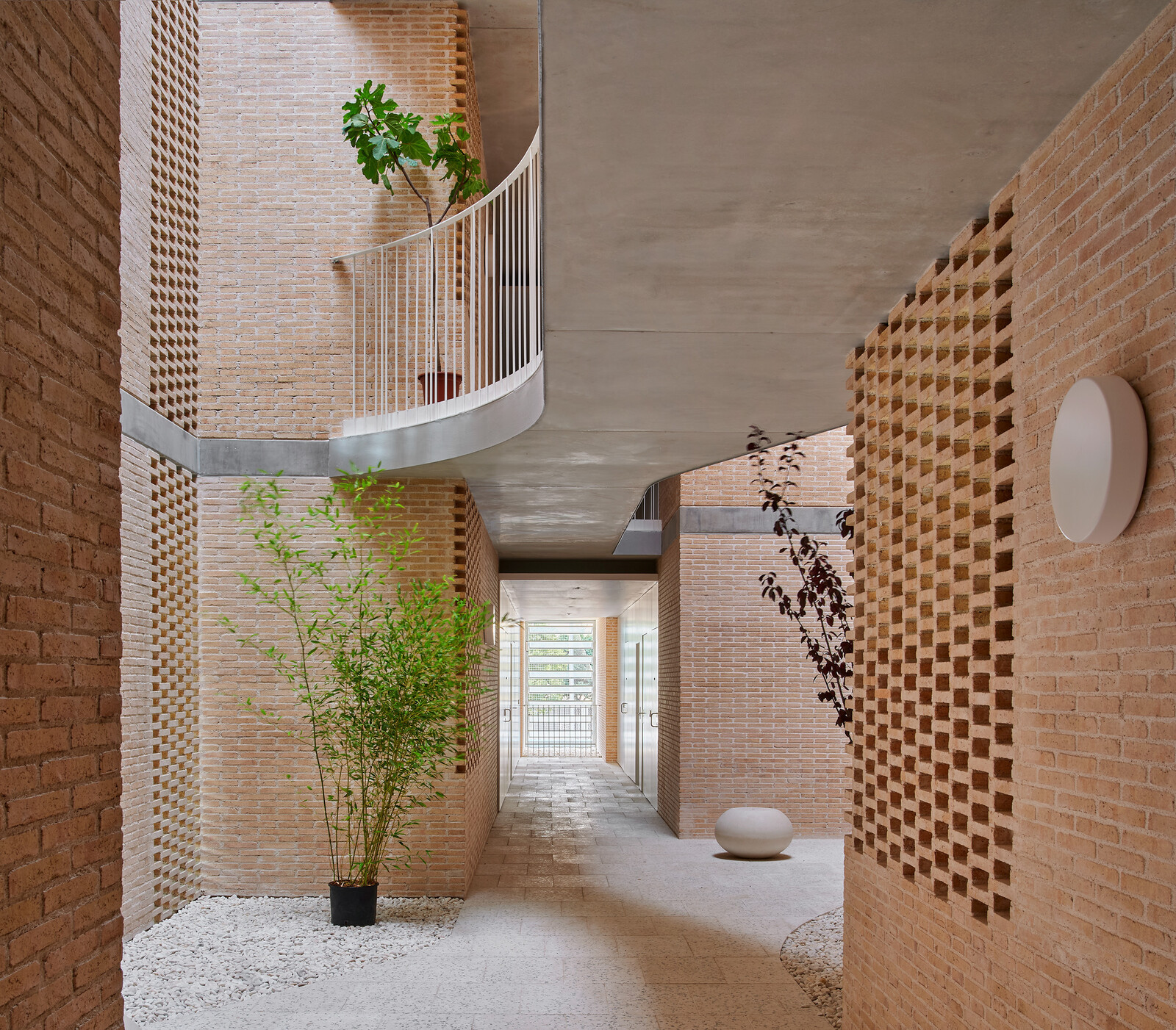
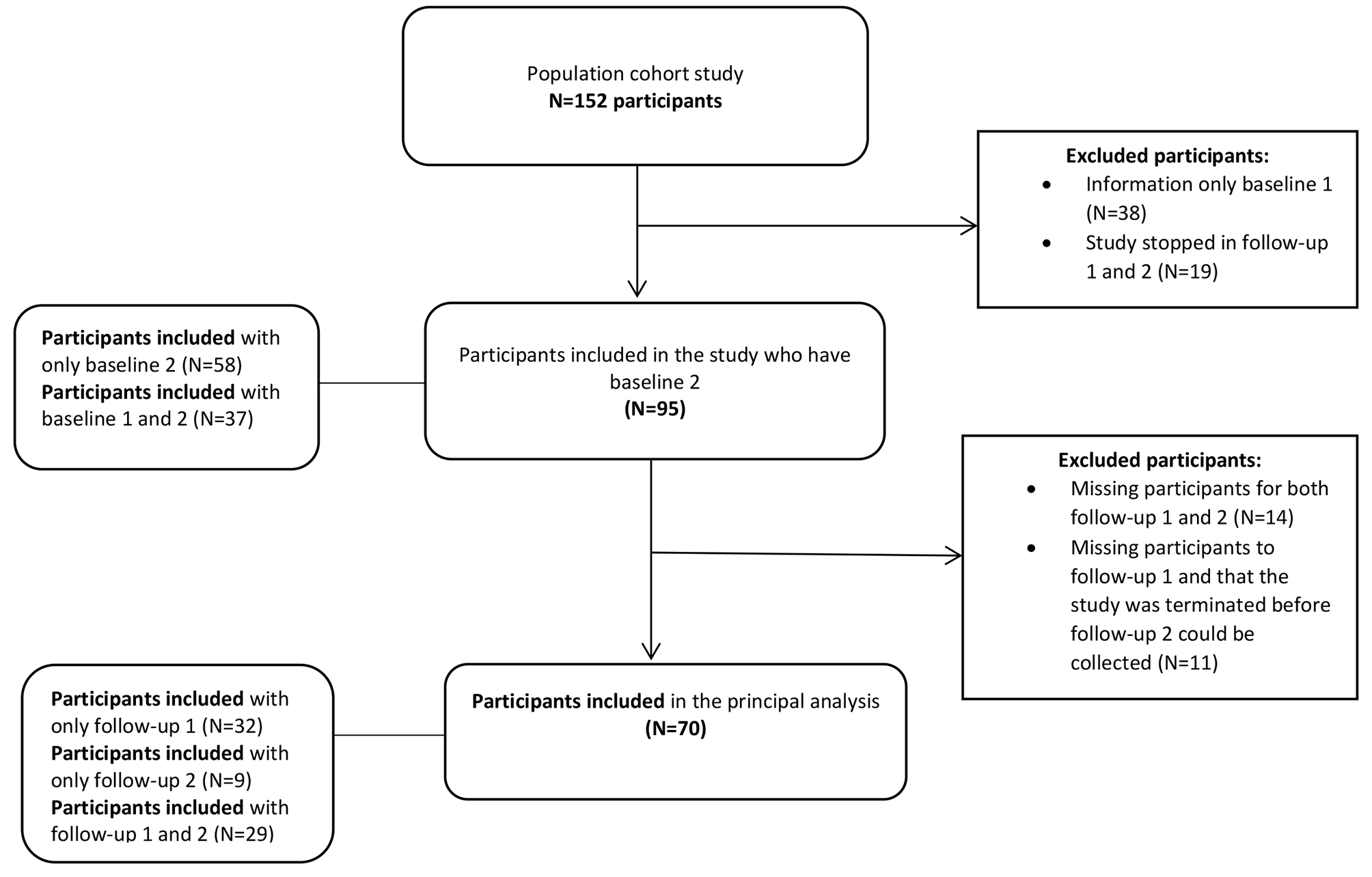
Spain's default housing cooperative is a building club. A cooperativa de viviendas (a members' development cooperative) gathers buyers, acquires land, builds, hands each member a flat in full ownership and then dissolves. The cooperation ends the day the keys change hands. The newer form does not end. Under cesión de uso (a grant of use), the cooperative owns the building permanently and each member holds an open-ended right to occupy one home. Members pay an entry contribution and a monthly fee set at cost, and recover the contribution on leaving, indexed to consumer prices rather than to the market. FECOVI, the federation of Valencian housing and rehabilitation cooperatives, puts it plainly: the cooperative keeps the property, the member keeps the use. Evidence on how the form performs is still mostly Catalan, including a study that followed residents before and after they moved into grant-of-use cooperatives in Catalonia.
Collective self-management is old here; applying it to housing is new. The huerta, the irrigated market-garden plain that rings the city, has been governed in common for a thousand years. The Tribunal de les Aigües survives from that system: a water court that still settles irrigation disputes aloud at the cathedral door every Thursday. Valencia's twentieth-century cooperative energy went into work, retail, farming and credit rather than into homes, producing one of Europe's denser social economies. Housing cooperatives stayed inside the build-and-dissolve model right through the ownership boom. The grant-of-use variant reached the region only after the 2008 crash, travelling from Catalonia and, before that, from Denmark and Uruguay. Comparative work on cooperative housing as an alternative to speculation traces the same migration of the model across southern Europe.
Today the sector splits into three groups with different problems. The oldest is the federation world around FECOVI. Its member cooperatives build protected housing for ownership and know how to finance a scheme. Their difficulty is that the product they deliver best leaves the protected stock within a generation. The second is Cohabitem, the coordinating body for grant-of-use groups, which lists more than a dozen projects across the region. Cau Cohousing and Corriol are in the city, Resistir spans Valencia, Godella and Port de Sagunt, Morvedre Cohabitatge is in Sagunto and Edeta Nova in Llíria. Nearly all of them share one status: constituted, financed in principle, waiting for a plot. The third group is the regional agency itself. EVha has tendered seven parcels to cooperatives on 75-year surface rights, for roughly 180 protected homes, in Gandia, Alzira, Torrent, Alicante, Alcoi, Sant Joan and Torrevieja. None of them is in Valencia.
So the bottleneck is land, and land is a public decision. The region gave the form its own statute in 2023. The city names cooperative and collaborative housing in its urban strategy for 2030. Yet no municipal plot in Valencia has been put under a grant-of-use cooperative. Research on access to land and finance for community-led housing finds the same two constraints wherever the model is young. One is a plot at below-market price. The other is a lender comfortable with a borrower that will never sell. The attention is there. The International Co-operative Alliance brings its research committee to the city for the ICA CCR Research Conference 2026. The wider literature on cooperative housing models and housing need is unusually well stocked for a sector this small. No one has yet put one up.
The supply answer, and the cap that never came
The Generalitat Valenciana, the regional government, has answered the shortage with volume rather than with regulation. Its Plan Vive has activated about 4,800 protected homes, against a target of 10,000 for the current term, with 320 municipalities signed up. A second route rezones publicly owned service land for residential use, which the Conselleria de Vivienda (the regional housing ministry) says could eventually carry 120,000 homes. Demand-side money runs alongside. The 2026 youth rent voucher pays €250 a month for up to 24 months, to a ceiling of €6,000 per beneficiary.
Three levels of government hold different levers here, and they are not pulling together. Madrid wrote the 2023 state housing law that lets a region declare a stressed rental market and cap rents inside it. The Generalitat has not used it: the procedure opened in 2023 was never completed, and no Valencian municipality is on the register. The city council took the same view, declining the zona tensionada label for Valencia itself even though local asking rents run well above the state reference index. That leaves the municipal level carrying most of the visible activity, which is the reverse of how the law was designed to work.
María José Catalá, mayor since 2023, has moved housing to the centre of the municipal budget. In September 2026 she announced 390 new public homes. Of those, 161 are in Patraix, and 69 are affordable rental flats in Quatre Carreres costing close to €20 million. Land has been released for another 170 in Ciutat Vella, Malva-rosa and Torrefiel. Municipal housing spending has gone from €117,000 a month to €2.6 million. A municipal letting agency now places flats at up to 20% below market rent, guaranteeing the landlord's income in exchange for the discount. Other European cities have built similar intermediation layers, as a review of cities addressing the housing crisis sets out.
The cooperative instruments are newer and much smaller. The Ley 3/2023 de viviendas colaborativas (the Valencian collaborative-housing act) gives grant-of-use cooperatives a statute of their own and allows public land and surface rights to be ceded to them under the protected-housing regime. EVha's tender to cooperativas is the first serious test of it. The piece still missing is finance: Cohabitem's central demand is a public credit line, because Spanish banks lend reluctantly to a developer that will never sell its product. Work on land policy instruments for social and affordable housing catalogues the tools other governments use to close exactly that gap.
On empty space the city has chosen tax over expropriation. Large landlords who keep dwellings unoccupied pay a 30% surcharge on the property tax, a mechanism that depends on the regional register of vacant homes to identify them, and the 2026 municipal ordinance widens it. Tourist flats get the harder treatment. A moratorium approved in May 2024 froze new licences, and the Tribunal Superior de Justícia (the Valencian high court) struck down part of it in April 2026 while upholding the ban on purpose-built tourist buildings. The council says tourist-flat numbers fell 32% after the freeze, and it now funds residents' associations that write tourist lets out of their own building statutes. South of the city, Alfafar is studying the conversion of empty ground-floor commercial units into homes. The instruments are familiar from comparative work on tools for dealing with vacant housing and from the EU's own review of short-term rental regulation.
Climate policy and housing policy are converging on the same buildings. Valencia was European Green Capital in 2024. It is also one of 100 European cities selected to reach climate neutrality by 2030. Its Misión Climática València 2030 aims to make at least three neighbourhoods climate-neutral first. The DANA added a blunter requirement: the stock of l'Horta Sud has to come back able to survive the next storm. Analysis of climate adaptation in public, cooperative and social housing argues that non-market landlords are the practical vehicle for that work. They can carry a retrofit over decades instead of passing the bill to a tenant next year. Research on decarbonising affordable housing in Europe reaches the same conclusion. In Valencia that vehicle barely exists yet.
- 1957[source]
The Great Flood and the Plan Sur
The Túria bursts its banks through the centre of Valencia on 14 October. The river is diverted south the following year and the abandoned channel eventually becomes the city's central park, setting the local habit of reusing what is already there.
- 2011[source]
Sociópolis halted in La Torre
Construction of the public housing block begun in 2009 stops in September 2011 at 36% complete. The shell stands empty for a decade as the clearest local symbol of the crash.
- 2023[source]
Llei de viviendas colaborativas
Law 3/2023 of 13 April gives collaborative and grant-of-use housing its own legal statute in the Valencian Community, and allows public land and surface rights to be ceded to such cooperatives under the protected-housing regime.
- Oct 2024[source]
La DANA in l'Horta Sud
The storm of 29 October floods the towns south of the city and affects around 92,500 properties, roughly half the built stock of the comarca, removing homes from an already tight market.
- Apr 2026[source]
El TSJCV anula parte de la moratoria
The Valencian high court strikes down the part of the 2024 tourist-flat moratorium that suspended change-of-use permits, while upholding the ban on new purpose-built tourist accommodation as necessary and proportionate.
- Feb 2026[source]
Nace el Sindicat de Llogateres de València
A tenants' union for the city and its metropolitan area is launched at the Societat Coral El Micalet, arguing that year-on-year rent rises of 15% to 20% are a structural transfer rather than a market cycle.
- Sep 2026[source]
Catalá anuncia viviendas públicas
The mayor announces 390 new municipal homes across Patraix, Ciutat Vella, Malva-rosa, Torrefiel and Quatre Carreres, and a programme paying residents' associations to bar tourist flats from their buildings.
- 2028[source]
Meta del Plan Vive
The regional government's stated target for the current term is 10,000 protected homes activated, from about 4,800 today, with a further 120,000 envisaged on rezoned public service land.
- 2030[source]
Ciudad climáticamente neutra
Valencia's commitment under the EU mission of 100 climate-neutral cities falls due, with at least three neighbourhoods to reach neutrality first and the housing stock carrying much of the reduction.
From the flood that rewrote the city's geography to the collaborative-housing statute, the DANA, and the targets now set for the end of the decade.
The argument in Valencia is not about whether the city is short of homes. It is about what a tenant is supposed to do in the years before the new ones arrive. The Sindicat de Llogateres de València, a tenants' union founded in February 2026, reads the shortage as a transfer rather than a cycle, and organises building by building to slow it.
The situation is not a passing bubble. It is a rent-extraction model that impoverishes the social majority.The regional government's answer is that every cap suppresses the supply that would end the shortage, and points to Catalonia's experience to argue it. Its whole programme follows from that premise, which is why Plan Vive counts homes rather than prices.
Generating a larger supply that allows prices to balance is indispensable.The rescued shell, the seafront grid and the groups still looking for land
Valencia's working examples are recoveries more often than new departures, and they are best read in order of how much public muscle each one needed. Almost every building below already existed in some form. The scarce ingredient was not design or demand but institutional patience, usually measured in decades.
Habita La Torre is the clearest of them. EVha restarted a tower on the southern edge of the city that had stood 36% built and abandoned since September 2011. It opened as 184 public rental homes, with 40% reserved for people under 35. Regional money and Next Generation EU recovery funds paid for it jointly. The friction is the clock. The skeleton stood behind hoardings for a decade before any institution found a way to own the problem. The households who needed those 184 flats in 2012 found them somewhere else.
Sociópolis is the reason the tower was there at all. Launched in the mid-2000s as a masterplan for social housing threaded through urban allotments, it was meant to demonstrate a cheaper and greener way to build at scale, and the crash stopped it half-finished. The site is now being replanned as a district of roughly 2,600 protected dwellings, with a further tranche announced in September 2026. The lesson is uncomfortable and worth keeping: an excellent brief does not survive a financing model that assumes a rising market.
Plan Cabanyal-Canyamelar, the municipal company for the old fishermen's quarter by the sea, works at the opposite grain. The neighbourhood's low seafront grid survived a plan to drive an avenue straight through it, and the repair since has gone parcel by parcel. Since 2015 the council has put about €5.7 million into grants that helped more than 60 owner families rehabilitate their own houses. In 2026 the company added 31 municipal homes to the rehabilitation programme and tendered the Edificio Astilleros for 51 new public flats, together the largest residential intervention the quarter has seen in a decade. It is also the clearest local demonstration of what community-driven adaptive reuse looks like when the public owner stays involved.
FECOVI and the grant-of-use groups are the part of this picture with no finished building to show. Cau Cohousing is hunting for land for a maximum of 15 homes; Corriol, Resistir and Morvedre Cohabitatge sit at comparable stages. EVha's seven cooperative parcels are the first public land offered to the form anywhere in the region, on 75-year surface rights, and every one of them is in a provincial town rather than the capital. The sector does not lack organisation or waiting members. It lacks the two things international policy work on cooperative housing identifies as decisive: land at below-market cost, and a lender that can read a balance sheet with no exit. Catalonia solved both about fifteen years earlier, which is why its grant-of-use sector now has buildings to point at and Valencia has statutes.
Barrio La Pinada in Paterna, just beyond the city boundary, is the most ambitious self-organised attempt in the metropolitan area. It is an eco-neighbourhood planned for about 1,400 households, designed with its future residents through a research lab rather than sold off a plan. Nine years after it began, the only completed building is its school. That is a fair measure of how long a genuinely co-created neighbourhood takes in Spain, and of why the cooperative groups here ask for land rather than for permission.
Misión Climática València 2030 is the institutional layer that ties these fragments to a deadline, organising the city's climate-neutrality work across dozens of programmes with building retrofit among them. Social Nest Foundation, based in the city, does the adjacent job on capital, connecting impact investors to social and environmental ventures. That capability matters on the day the first cooperative plot is finally signed, because the money will have to arrive before the building does. The European evidence Valencia can borrow from is already thick, from the parliamentary housing mission to Barcelona to the wider literature on affordability and non-market supply. What the city has not yet built is the thing all of it describes.

References
Statistics15Click on any number to see the source
Housing market
Tenure & affordability
Adaptive reuse & vacancy
Population & migration
From our library19
- Why Is Spain’s Social Housing So Well-Designed? — Knowledge
- Unequal housing affordability across European cities. The ESPON Housing Database, Insights on Affordability in Selected Cities in Europe — Knowledge
- Tenth Overview of Housing Exclusion in Europe — Knowledge
- Cooperative housing under a grant-of-use in Catalonia and health: pre-post analysis — Knowledge
- Socially oriented cooperative housing as alternative to housing speculation — Knowledge
- Access to land and finance for community-led housing (No 1) — Knowledge
- ICA CCR Research Conference 2026 — Event
- Housing Needs and Cooperative Housing Models: A Scoping Review — Knowledge
- Cities addressing the housing crisis: Innovative and integrated approaches — Knowledge
- Land Policy Instruments for the Provision of Social and Affordable Housing — Knowledge
- Tools to Deal with Vacant Housing — Knowledge
- The regulatory aspects of short-term rentals in the EU — Knowledge
- Climate adaptation in public, cooperative, and social housing in Europe — Knowledge
- Accelerating decarbonisation of current and future affordable housing in Europe — Knowledge
- Open Heritage - Community-Driven Adaptive Reuse in Europe: Best Practice — Knowledge
- International policies to promote cooperative housing — Knowledge
- A new way of living: how Catalonia is making housing more affordable and inclusive — Knowledge
- Social Nest Foundation — Organisation
- Report of the HOUS mission to Barcelona, Spain — Knowledge
Further sources28
- Un año de subidas continuadas en el precio del alquiler en Valencia — El Español / Fotocasa · 30 August 2026
- Crisis de vivienda en Valencia: necesita construir cuatro veces más — El Confidencial Digital · 16 September 2026
- La vivienda se mantiene como principal problema para el 41,3 % de los españoles — Centro de Investigaciones Sociológicas · April 2026
- València contabiliza 830 grandes tenedores de vivienda — Ajuntament de València · 12 October 2021
- Más de 92.500 inmuebles de l'Horta Sud afectados por la DANA — Brains RE News · 2024
- La DANA sacude la vivienda: los precios suben un 17% en venta — Valencia Plaza · 2025
- Ley 3/2023, de 13 de abril, de viviendas colaborativas de la Comunitat Valenciana — Boletín Oficial del Estado · 19 April 2023
- Claves principales del modelo de cesión de uso — FECOVI
- La Generalitat licita la cesión de parcelas a cooperativas en derecho de superficie — Horta Noticias
- Cesión en derecho de superficie a cooperativas para construir viviendas protegidas — FECOVI
- CO-HABITATGE: la coordinadora Cohabitem — València Saludable 2030
- Camarero subraya que el Plan Vive avanza con 4.800 viviendas activadas — El Periódic · 25 May 2026
- Bono Alquiler Joven 2026: hasta 6.000 € para menores de 35 años — Valencia Extra · 2026
- Nace el Sindicat de Llogateres de València — Valencia Extra · February 2026
- Catalá plantea 390 viviendas públicas para los barrios de Valencia — Interdiario · 17 September 2026
- Valencia pagará a las comunidades de vecinos que prohíban pisos turísticos — idealista/news · 18 September 2026
- València rechaza limitar los alquileres como zona tensionada — elDiario.es
- Los grandes propietarios con viviendas vacías pagarán el IBI con un recargo del 30% — Valencia Plaza
- El TSJCV tumba parcialmente la moratoria de viviendas turísticas en Valencia — Interdiario · 17 April 2026
- Alfafar estudia convertir locales vacíos en viviendas — Valencia Plaza
- València, entre las 100 ciudades designadas por Europa para la neutralidad climática — elDiario.es
- Estrategia de la Misión Climática València 2030 — Ajuntament de València
- En marcha el proyecto Habita La Torre para construir 184 viviendas públicas — Valencia Plaza · 13 October 2022
- Del fallido Sociópolis a 'Habita La Torre' — elDiario.es
- Las ayudas para la rehabilitación de viviendas en el Cabanyal alcanzan los 5,7 millones — Ajuntament de València
- València incorpora 31 viviendas al plan de rehabilitación del Cabanyal — Infojúcar · June 2026
- La Pinada, el primer ecobarrio creado por sus vecinos — idealista/news · 16 August 2022
- Turia Garden — Wikipedia