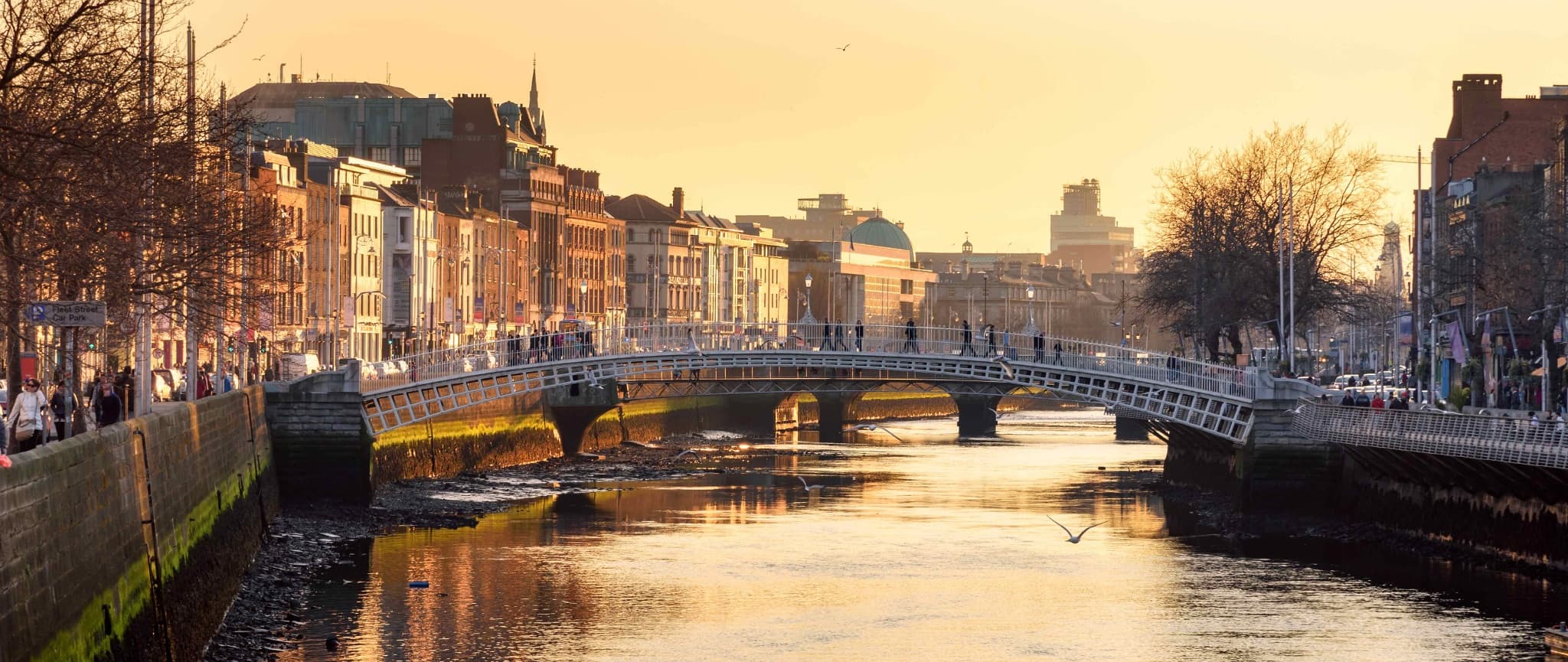
The capital that ran out of room
Dublin is a small capital with an outsized pull. A medieval Viking port turned Georgian city, it now anchors a tech and pharmaceutical economy that draws people from across Ireland and the world. That magnetism is also its housing problem. The city of 592,713 keeps attracting more workers than it can house, and a decade after the crash the supply hole has never closed.
Ownership and renting now sit almost level in the capital. About 50.4% of households own their home and 48.2% rent — far more renting than the Irish norm, a Dublin signature. Council-owned public housing makes up 12.6% of dwellings, roughly 25,500 homes, while cooperative housing is tiny at 0.4%, around 1,250 homes across just 14 bodies. That leaves 35.2% of dwellings in the private rental market, with a small remainder in non-standard arrangements. The genuinely non-market tier — public plus cooperative — comes to around 13% of stock.
- Owners
- Owner-occupier50.4%
- Renters
- Public & non-profit rental12.6%
- Cooperative0.40%
- Private rental35.2%
- Unclassified1.4%
- Unknown / Other1.4%
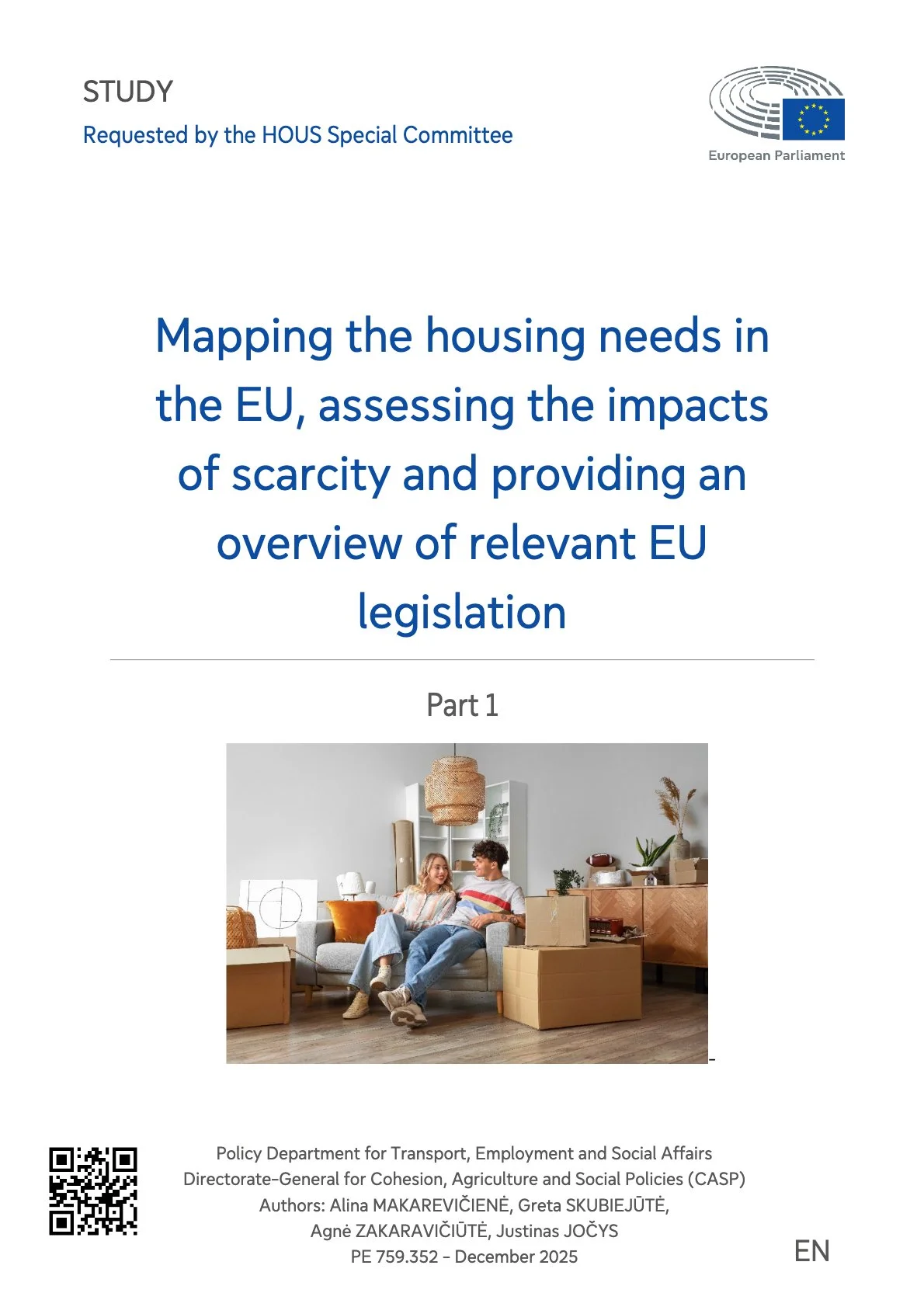
Social housing in Dublin is a regulatory layer, not a tenure of its own. About 12.6% of dwellings carry a social-housing rule, and roughly 11.2% of households qualify for support, but the layer is delivered through three tracks that cut across the pie. The council lets homes directly at income-based differential rents. Approved housing bodies — non-profit social landlords like Tuath and Co-operative Housing Ireland — own and let a growing share. And since 2021 a third track, cost-rental, sets rents to cover the cost of building and running the home rather than the market, aimed at workers who earn too much for social housing but cannot meet market prices. A European Parliament study of housing need treats Dublin's blend of these instruments as a model worth watching.
Each route into a Dublin home carries its own rent. A council tenant on a differential rent pays around €4.20 per square metre, set on income rather than the market. A cooperative or cost-rental tenant pays nearer €21. Across the whole stock the median rent lands at €27.80, a newly-let private contract asks a median €33, and furnished, serviced lets reach €38.50 per square metre gross. The distance from the council floor to a new market contract is nearly eight to one, and it is the whole affordability problem in one line.
- Public/municipal housing
- Cooperative
- All-stock median
- New contracts
- Furnished / serviced (gross)
Net-cold monthly rent per square metre by tier (furnished is gross, all-in). The council differential-rent floor, set on income rather than the market, sits far below everything else; a newly-let private contract runs nearly eight times that floor.
Vacant homes matter here, though less than in many capitals. The 2022 census put residential vacancy at about 6.4%, some 15,700 unoccupied dwellings, much of it second homes, probate cases and unmodernised stock; a GeoDirectory survey counted closer to 12,000 long-term empties. Offices are the sharper opportunity: around 799,800 square metres stand vacant, roughly 17.4% of the office stock, after hybrid working hollowed out parts of the city centre. Short-term letting adds a more concentrated pressure. Holiday platforms take an estimated 1,469 dwellings out of the long-term market as full-time entire-home short-term rentals — small as a city-wide share but clustered in the central postcodes and the coastal tourist fringe, withdrawing homes from exactly the streets visitors fill.
Arrivals outrun keys. Roughly 38,000 people a year settle in the wider Dublin region, yet the city issues only about 8,500 housing permits a year, and median apartment prices reach €4,628 per square metre — among the costliest build economics in Europe, as a study of Dublin construction costs sets out. The pain stopped being confined to the poorest long ago. The European Investment Bank records rents rising sharply across cities including Dublin over the past decade, pushing many households past the affordability threshold where rent eats more than two-fifths of income. Cost-rental was invented precisely because middle earners — nurses, teachers, civil servants — were being priced out of the city they staff. That small cooperative share is where the next section begins.
The co-op that never quite scaled
Irish cooperative housing is mostly an ownership-and-management model, not a permanent rental tenure. The classic form is the cost-price co-op: a non-profit society develops homes at cost plus a small margin and sells them to members, who then own outright. A growing strand is the cooperative-style rental delivered by approved housing bodies — non-profit social landlords — and the new cost-rental tenancies, where the home stays in the provider's hands and rent tracks cost. A comparative study of these provider models across the European Union maps how Ireland's bodies compare to Dutch, Danish and Finnish peers.
The tradition is old but thin. Irish housing cooperatives trace back to the nineteenth century, and the state-backed co-op movement built tens of thousands of owner-occupied homes through the National Association of Building Co-operatives in the mid-twentieth century. But the form never reached the scale it took in Vienna or Zurich, and as state grants faded and land prices rose it shrank to the margins. An Irish analysis traces that arc from 1831 and argues that credit-union finance could let the model scale again.
Today the sector clusters into three groups facing different problems. Co-operative Housing Ireland, the national federation, manages and develops member-led rental and shared communities, and even runs childcare for residents in East Wall — but it operates at modest scale against the city's need. A second cluster is the cost-price developer co-op: Ó Cualann is the standout, selling homes well below market by securing cheap municipal land and capping its margin, though it depends entirely on councils releasing sites at low cost. A third is the newer community-led strand, from the LGBTQ+ Aisteach Co-operative Housing Society to architect-led groups such as Self Organised Architecture. The legacy bodies struggle with scale and finance; the cost-price co-ops struggle with land access; the community groups struggle to get off the ground at all. Across all three, the binding constraint is the same: cheap, secure land.
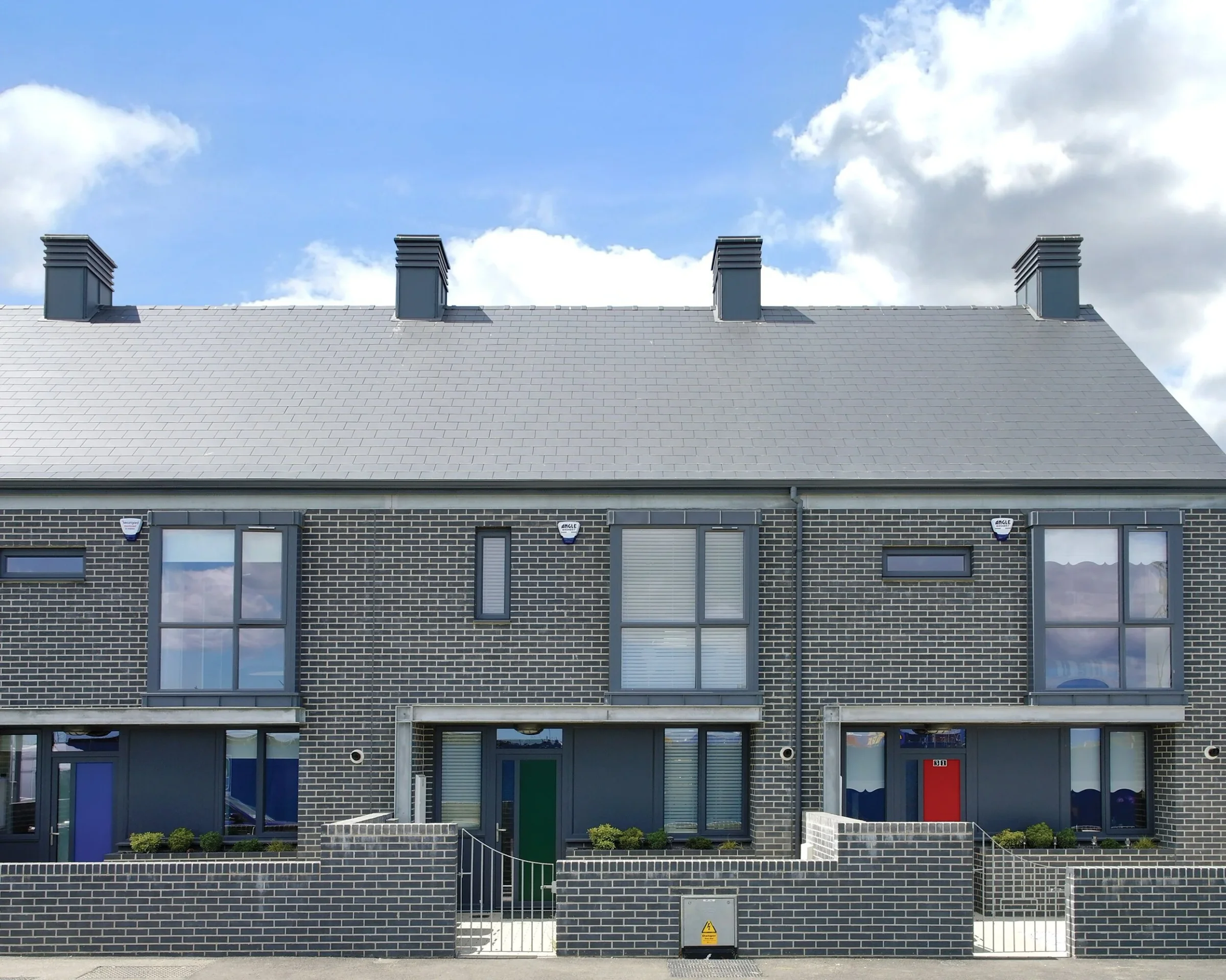
Where the state places the co-op points straight into the politics that follows. Ireland now treats cooperative and approved-housing-body delivery as a core channel for both social and cost-rental homes, routing public land and below-market finance through them rather than building everything directly. The Housing Agency and the Land Development Agency assemble the sites; the bodies build and hold. The cost-based rental model that underpins this has European precedents, set out in a comparative study of Austria, Denmark and Finland — and it is the instrument Dublin's politics now turns on.
Scaling a tenure the state had to invent
Dublin's housing politics is the politics of scaling new tenures fast enough. James Browne of Fianna Fáil has been Minister for Housing since January 2025, and the coalition published Delivering Homes, Building Communities, resetting strategy after Housing for All repeatedly missed its targets. The plan commits to at least 300,000 homes nationally by 2030, with 72,000 new-build social homes and 90,000 affordable supports, backed by over €9 billion of capital this year. A large share is meant for Dublin, where the deficit is sharpest.
I think from ourselves in Government, we have to look at how do we help local authorities — because I think they do have the ambition here, they do have the drive — how we can help them now to scale up this model here and help them to be able to deliver more on cost-rental.Power over housing in Ireland pools at the centre rather than the city. The Department of Housing sets the law, the subsidy and the grant rates; the Residential Tenancies Board enforces the Rent Pressure Zone caps; the Land Development Agency assembles state land. Dublin City Council, under Fine Gael Lord Mayor Ray McAdam, allocates sites, runs its own social and affordable lettings, and increasingly borrows to keep schemes viable. That municipal borrowing is the tell: when the per-home state grant lags build costs, the city carries the gap. Comparative studies of EU housing policy set Ireland's centralised, grant-driven model against the more autonomous municipal systems of the continent.
The cooperative and cost-rental channels sit deliberately inside this programme. Cost-rental, legislated in 2021, is the headline instrument: the state lends below market rates and grants a fixed sum per home so approved housing bodies, the Land Development Agency and councils can let at cost rather than market. Affordable-purchase and the First Home shared-equity model run alongside it. The intent is frank — use non-market providers and public land to add the homes the budget cannot build directly — and a study of housing financialisation explains why investor-heavy markets like Dublin's make that public role so necessary.
Those empty floors from §1 draw a policy reply, if only a partial one. The Vacant Homes Tax, in force since 2023, charges owners who leave habitable homes empty, and a Conversion Pilot Scheme funds turning vacant commercial buildings into flats — the reply to the city's large stock of empty office floor. Tuath Housing has already turned long-empty office blocks into social homes, a route a report on European office obsolescence argues could scale, while a toolkit on tackling vacant housing catalogues the carrots and sticks that return homes to use.
In Dublin, decarbonising the stock and housing people have become one problem. Dublin's housing stock averages around 35 years old, only about 26% of dwellings are energy-efficient, and the renovation rate crawls at roughly 1.3% a year — short of EU deep-retrofit targets. The office conversions matter here too: a Tuath study finds reuse cut embodied carbon by some 73% against new build, tying the climate goal to the non-market tier the city wants to grow.
- 2012[source]
Construction collapse
New-dwelling completions across Ireland fall to roughly 8,300 in the trough after the 2008 crash, the lowest in modern records, leaving Dublin with a structural supply hole that still defines the market.
- 2016[source]
Rent Pressure Zones introduced
Dublin is designated a Rent Pressure Zone, capping in-tenancy rent rises (initially 4% a year), the state’s first serious attempt to slow runaway rents in the capital.
- 2021[source]
Cost-Rental Tenancies Act + Land Development Agency
Ireland legislates a brand-new tenure — cost-rental, where rent covers the cost of building and managing the home, not the market — and puts the Land Development Agency on a statutory footing to deliver on state land.
- 2021[source]
Housing for All published
The government’s headline plan commits to an average of 33,000 homes a year and the first cost-rental and affordable-purchase pipelines, with a large share earmarked for Dublin.
- 2023[source]
Vacant Homes Tax begins
A new tax on long-term empty homes takes effect, the policy reply to a residential vacancy that the 2022 census still recorded across the city.
- 2025[source]
New government, new housing plan
James Browne becomes Minister for Housing in January, and the coalition publishes Delivering Homes, Building Communities, resetting the strategy after Housing for All’s targets were repeatedly missed.
- 2026[source]
Cost-rental viability under strain
Dublin City Council borrows to keep affordable and cost-rental schemes alive as build costs outrun the per-home state grant, and critics question whether new cost-rental rents are genuinely affordable.
- 2030[source]
Delivering Homes target year
The plan commits to at least 300,000 new homes nationally by the end of the decade, with 72,000 new-build social homes and 90,000 affordable supports — described as a floor, not a ceiling.
From the post-crash construction collapse through the cost-rental invention to the 2030 supply target.
In Dublin the argument has moved past whether to build non-market homes and onto their price tag. Minister Browne defends cost-rental as a viable model councils should scale, urging providers whose projects do not add up to bring the numbers to his department. Eoin Ó Broin, the Sinn Féin housing spokesperson, argues new cost-rental rents are drifting out of reach and that the state is protecting investors before renters. Housing analysts have asked whether the sector is already in crisis, after some new cost-rental three-beds were advertised at €1,750 a month, needing a €60,000 income to afford. The camps converge on growing the non-market tier and split on what it should cost and how quickly it can arrive.
It is time the government stood up for renters rather than for institutional investors and big developers.Cost-rental, in concrete: the schemes testing the model
Dublin's working examples run from giant council regenerations to small cost-price co-ops, and the thread that connects them is a city trying to prove that non-market housing can be delivered at scale and at a price people can actually pay. The schemes below run in order from the most council-led to the most resident-led, before turning to the institutions trying to make the model repeatable.
O’Devaney Gardens — now branded Montpelier — is the clearest test of the council-developer-partnership route, and its clearest cautionary tale. On a former flats site off the North Circular Road, a contested deal with developer Bartra Capital is delivering 1,046 A-rated homes in blocks up to 14 storeys, split between social, affordable-purchase, cost-rental and private sale. The friction is the price: more than 1,000 people applied to buy just 99 affordable homes priced up to €473,000, and Dublin City Council has had to borrow €36.5 million to convert more of the private units to affordable and cost-rental. Critics ask how a home near that price counts as affordable against an average wage around a tenth of it.
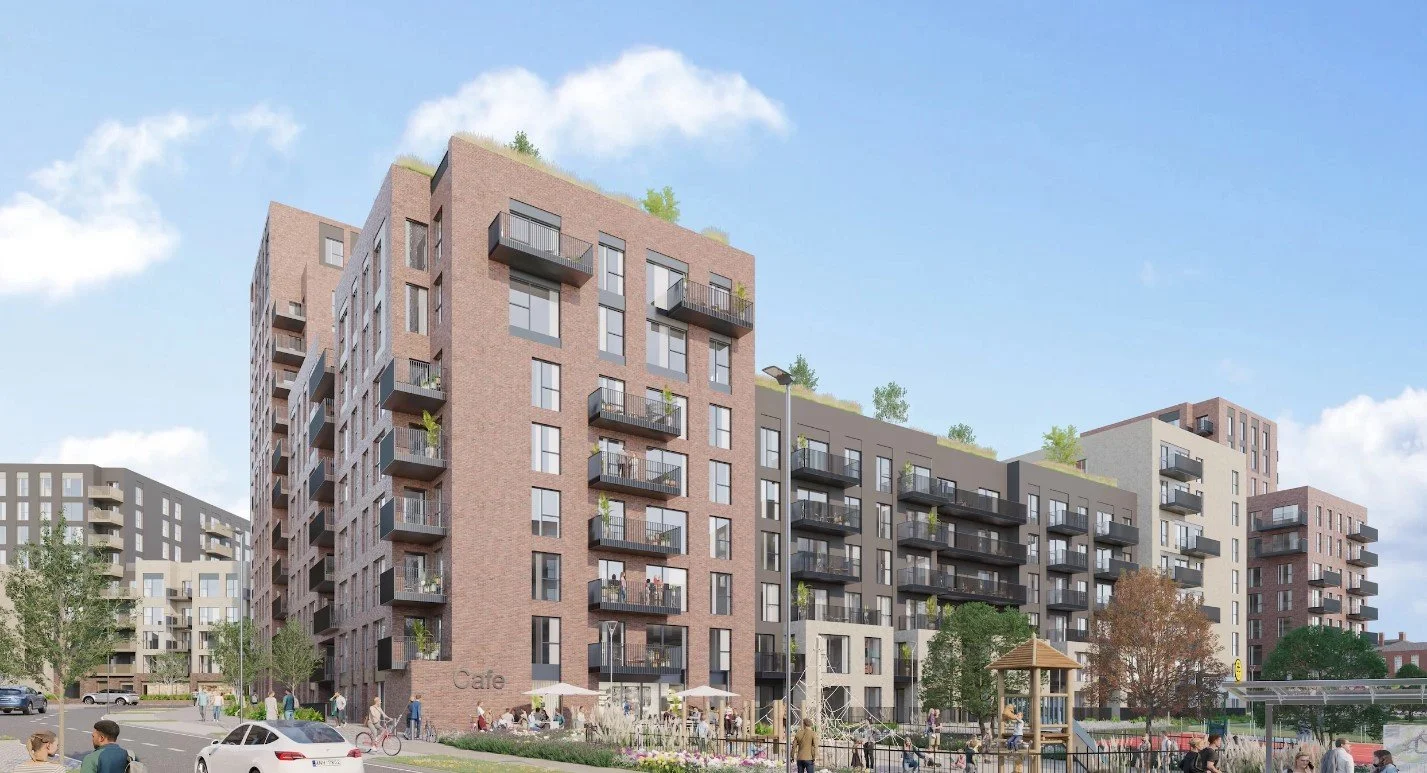
Ó Cualann runs the purest version of the cost-price idea. Its Baile na Laochra estate in Ballymun sold three-bed homes from around €160,000, roughly a third below market, by buying council land for a token sum, waiving development levies and capping its developer margin at a slim single-digit percentage. The model proves the maths can work — but it depends wholly on councils releasing cheap sites, and its weak point showed when one early buyer resold a discounted home for some 90% more than they paid, exposing how thin the clawback protection on resale can be.
Tuath Housing shows the adaptive-reuse route in action. The approved housing body has turned two long-empty office blocks — one in Dublin, one in Cork — into 121 social homes, occupied and lived-in, cutting embodied carbon sharply against new build — a demonstrator documented in two case studies of the conversions. The caveat is scale and cost: each unit still ran to €309,000–€353,000, and a report on European office obsolescence notes that only around a tenth of vacant offices are actually suitable for housing, so conversion answers part of the empty-floor question rather than all of it.
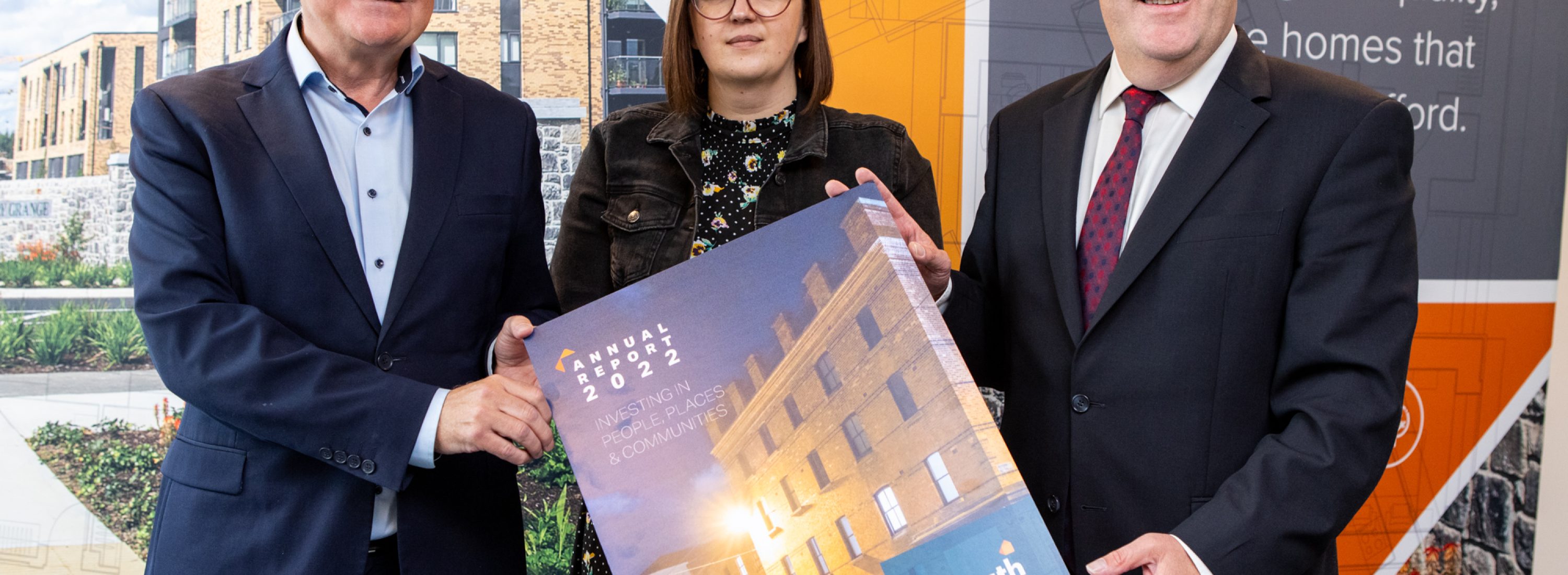
Co-operative Housing Ireland and the Land Development Agency carry the channel at opposite ends of the scale. Co-operative Housing Ireland blends member-led rental with community services — it even runs early-years childcare for residents in East Wall, a model the OECD's review of Europe's social economy singles out. The Land Development Agency, the state land vehicle, is delivering large cost-rental schemes such as Shanganagh in south Dublin, where hundreds of social, affordable and cost-rental homes share one site; its friction is the one that runs through the whole sector, that build costs and the per-home grant keep the maths tight. Both depend on the same scarce input the co-ops do: public land released at a price the model can bear.
Holding these projects up is an institutional scaffolding that is still slight but steadily maturing. The Housing Agency advises the state and assembles sites; approved housing bodies have grown into serious developers; and community-led groups such as Self Organised Architecture push resident-controlled design from the edges. A study of community land trusts in Europe and a #Housing2030 policy toolkit both point to the missing piece — patient land and finance held permanently out of the market — which is exactly what Dublin's cost-rental experiment is groping toward. The instruments now exist; whether they scale at a price Dubliners can pay is the open question the city is living.

References
Statistics19Click on any number to see the source
Housing market
Tenure & affordability
Cooperative, social & public
Adaptive reuse & vacancy
Population & migration
From our library21
- Part 1: Mapping the housing needs in the EU, assessing the impacts of scarcity and providing an overview of relevant EU legislation — Knowledge
- Building Homes: Apartment construction costs in Europe with a focus on Dublin — Knowledge
- Unlocking Potential - A Comparative Analysis of Approved Housing Body Models in the European Union — Knowledge
- Housing Co-operative 2.0: how could a co-operative housing model work in the modern Irish housing — Knowledge
- Co-operative Housing Ireland (CHI) — Organisation
- Ó Cualann — Organisation
- Aisteach Co-operative Housing Society — Organisation
- Self Organised Architecture (SOA) — Organisation
- The Housing Agency — Organisation
- Cost-based Social Rental Housing In Europe — Knowledge
- Housing policies in the European Union — Knowledge
- Housing policy under the conditions of financialisation - The impact of institutional investors on affordable housing in European Cities — Knowledge
- Rethinking European Offices 2030 - Risks and Opportunities from Obsolesence — Knowledge
- Tools to Deal with Vacant Housing — Knowledge
- O’Devaney Gardens — Project
- Bartra Capital (Bartra Capital Property Group) — Organisation
- Tuath Housing — Organisation
- Housing Insights - Office-to-Residential Conversions: Case studies from Tuath Housing — Knowledge
- Social Economy in Europe: Contributing to Competitiveness and Prosperity, Local Economic and Employment Development (LEED) — Knowledge
- Urban Community Land Trust in Europe — Knowledge
- #Housing2030 Effective policies for affordable housing in the UNECE region — Knowledge
Further sources17
- Delivering Homes, Building Communities (2025-2030) — Government of Ireland
- Housing for All — A New Housing Plan for Ireland — Government of Ireland
- Cost Rental and Tenant In-Situ (Affordable Housing Act 2021) — Irish Statute Book
- Land Development Agency Act 2021 — Irish Statute Book
- Rent Pressure Zones — Residential Tenancies Board
- Vacant Homes Tax — Revenue
- Conversion of Commercial Space to Residential Pilot Scheme — Government of Ireland
- Minister urges housing bodies to engage on cost-rental finance — James Browne — The Irish Times
- Government must stand up for renters — Eoin Ó Broin — Dublin People
- Is cost rental "in crisis"? — The Week in Housing
- More than 1,000 apply to buy 99 affordable homes at O’Devaney Gardens — The Irish Times
- Dublin council to borrow €36.5m for more affordable homes at O’Devaney Gardens — The Irish Times
- Affordable co-op house resold at 90% above original price — The Irish Times
- Ó Cualann Cohousing Alliance — Ó Cualann
- Shanganagh Castle cost-rental scheme — Land Development Agency
- Dublin city centre apartment rent — Daft.ie report — The Journal
- Housing crisis predicted to last 15 years — Minister Browne — The Irish Times